Upon arrival at Tribhuvan International Airport, you will be welcomed by our representative and transferred to your hotel in Kathmandu. After check-in, you can rest or explore the nearby streets of Thamel. In the evening, a short briefing about the trek will be conducted, including permits, route overview, and gear check.
1 / 3
Nar Phu Valley Trekking tour Nepal(full board)
13Days
Overview
The Nar Phu Valley Trek is one of Nepal’s most remote and culturally rich adventures, offering a rare journey into a hidden corner of the Annapurna region. Tucked away north of the popular Annapurna Circuit, this restricted area remained closed to trekkers until 2003, preserving its untouched landscapes and authentic Tibetan-influenced culture. The trail leads through dramatic gorges, ancient monasteries, high alpine pastures, and traditional villages like Phu and Nar, where time seems to stand still. What makes this trek truly special is the combination of wilderness and high Himalayan challenge. Crossing the breathtaking Kang La Pass (5,320 m) rewards trekkers with panoramic views of Annapurna II, Gangapurna, and Tilicho Peak. Along the way, you experience a unique blend of raw natural beauty, isolation, and cultural depth that is rarely found on more popular trekking routes. Ideal for experienced trekkers seeking something beyond the ordinary, the Nar Phu Valley Trek offers an unforgettable journey into one of Nepal’s last untouched Himalayan frontiers.
Highlights
- Remote and restricted Nar Phu Valley experience
- Authentic Tibetan culture and ancient villages
- Exploration of Phu Village and monastery
- Crossing the challenging Kang La Pass (5,320 m)
- Stunning views of Annapurna, Himlung Himal, and Gangapurna
- Combination of wilderness trekking and Annapurna Circuit
Day-by-Day Itinerary
Early morning departure by private vehicle or jeep. The drive follows the scenic Prithvi Highway along the Trishuli River, then continues through Besishahar and into the Annapurna region. The road becomes more rugged after Besishahar, passing through villages like Dharapani before reaching Koto, the entry point of the Nar Phu Valley. Overnight at lodge in Koto
After registering permits, the trek begins along the Nar Khola. The trail enters a restricted and less-traveled area, offering a remote and wild experience. You’ll walk through pine forests, cross suspension bridges, and pass through narrow canyons. Gradual ascent leads to Meta, a small settlement with expansive views. Overnight at lodge in Meta
Today’s trek is shorter and more relaxed. The trail traverses open landscapes, yak pastures, and traditional Tibetan-style villages. You’ll pass small settlements like Junam before reaching Kyang, a quiet village with basic lodges and stunning mountain scenery. Overnight at lodge in Kyang
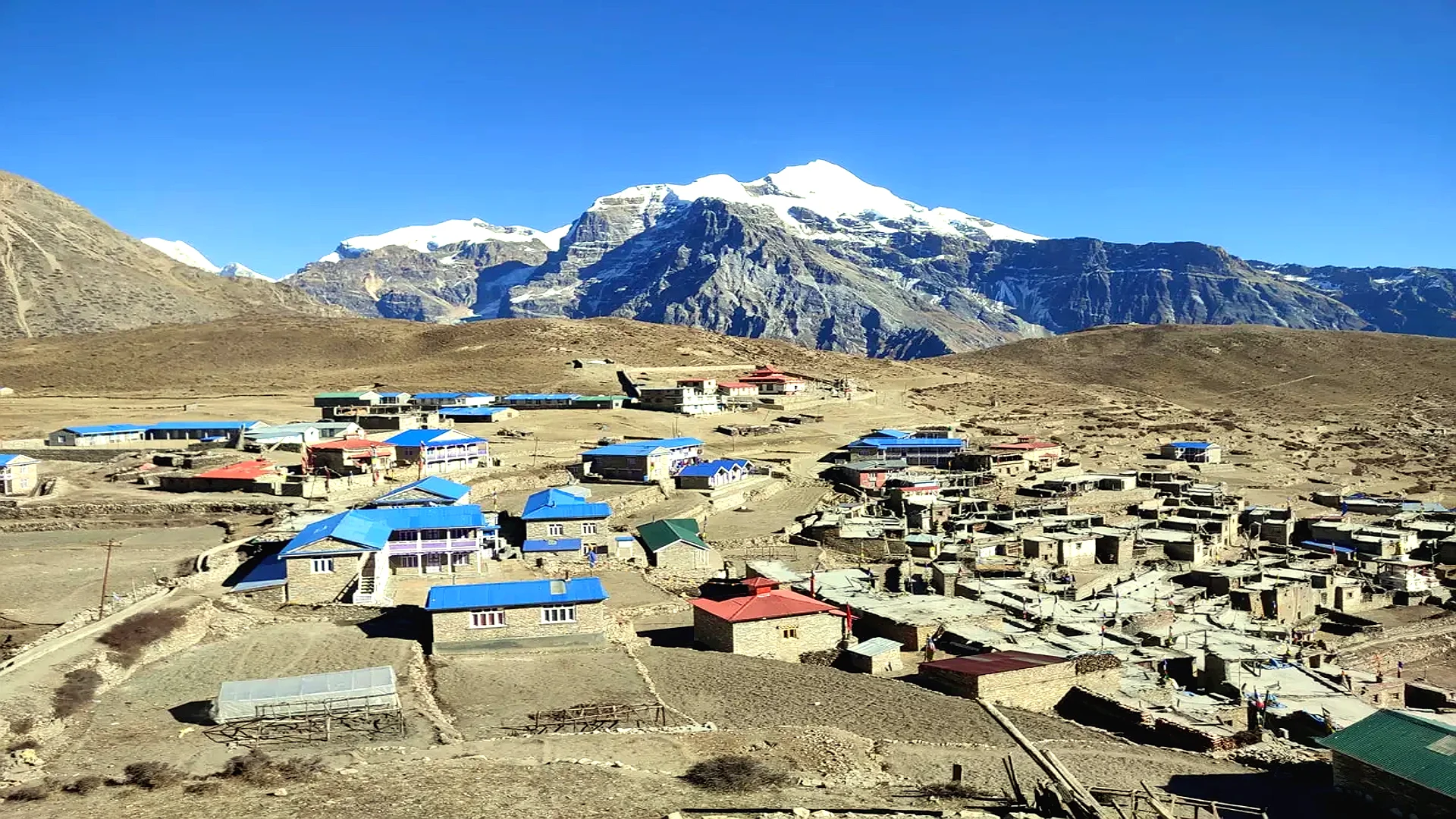
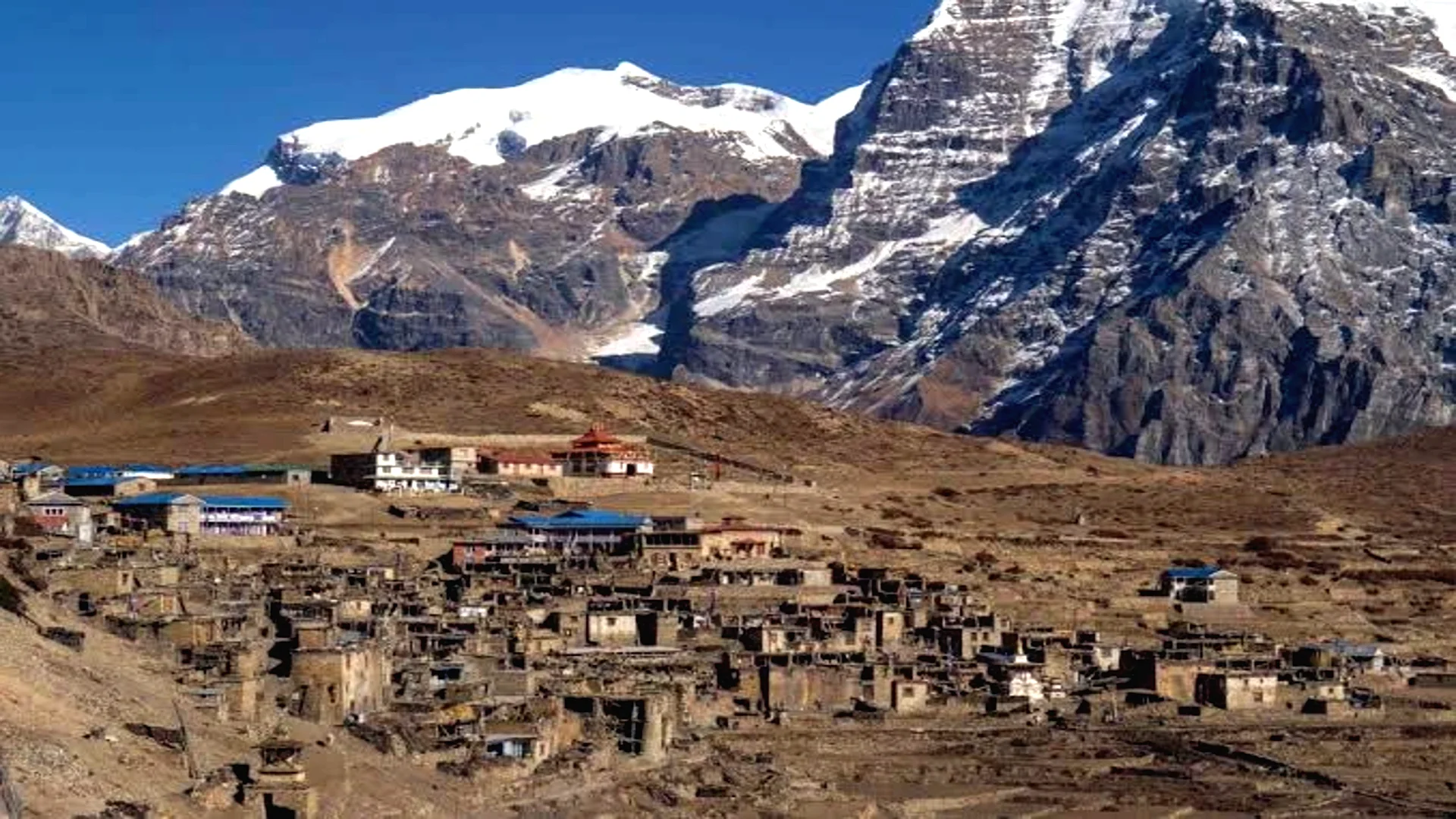
The trail gradually ascends through a dramatic high-altitude landscape. You’ll cross old suspension bridges and pass ancient chortens and mani walls. As you approach Phu, the valley opens up into a spectacular medieval-style village surrounded by cliffs and snow-capped peaks. Overnight at lodge in Phu
A rest day to adapt to altitude. Explore the culturally rich Phu village, known for its preserved Tibetan traditions. You can hike to the famous Tashi Lhakhang Monastery, believed to be one of the last monasteries built by Karmapa Rinpoche. Enjoy panoramic views of Himlung Himal and surrounding peaks. Overnight at lodge in Phu
Retrace part of the trail back down the valley, then take a different route toward Nar Phedi. The trail descends gradually with impressive views of rugged landscapes. Nar Phedi is a small settlement with a monastery where trekkers often stay. Overnight at monastery/lodge in Nar Phedi
A short but steep climb leads to Nar Village, a picturesque highland settlement. Nar offers wide views, traditional stone houses, and a strong Tibetan cultural influence. The afternoon is free to explore and prepare for the upcoming pass crossing. Overnight at lodge in Nar
The most challenging and rewarding day of the trek. Early morning ascent to Kang La Pass (5,320 m). From the top, enjoy breathtaking views of Annapurna II, Gangapurna, and Tilicho Peak. After the pass, descend steeply to Ngawal, joining the Annapurna Circuit trail. Overnight at lodge in Ngawal
Descend through forests and villages, passing Braga and Manang region landscapes. The trail continues along the Marsyangdi River, eventually reaching Chame, the district headquarters of Manang. Overnight at lodge in Chame
Drive back along the rugged mountain road, retracing the route through Dharapani and Jagat to Besishahar. Enjoy the transition from alpine terrain to lush hills. Overnight at lodge in Besishahar
Return to Kathmandu via scenic highways along rivers and terraced farmland. Upon arrival, transfer to your hotel. The evening is free for relaxation or souvenir shopping. Overnight in Kathmandu
Transfer to Tribhuvan International Airport for your final departure.
Gear List
Packing List for Nar Phu Valley Trek
The Nar Phu Valley Trek is a remote and high-altitude trek reaching over 5,300 m, with limited facilities compared to popular trekking routes. Proper layering and preparation are essential for comfort and safety.
Essential Documents
- Passport
- Nepal visa copy
- Travel insurance (including high-altitude trekking coverage)
- ACAP Permit
- Nar Phu Restricted Area Permit
- Passport-size photos
- Cash for personal expenses
Clothing
Base Layers
- 2–3 moisture-wicking trekking t-shirts
- 1–2 thermal tops
- 1–2 thermal bottoms
- 3–4 pairs of underwear
- 3–4 pairs of trekking socks
Mid Layers
- Fleece jacket or pullover
- Lightweight insulated jacket
Outer Layers
- Waterproof and windproof jacket
- Waterproof trekking pants
Trekking Wear
- 2 pairs trekking pants
- 1 pair comfortable camp pants
- Warm beanie
- Sun hat or cap
- Buff or neck gaiter
- Warm gloves
- Waterproof outer gloves (recommended)
Footwear
- Sturdy trekking boots with ankle support
- Lightweight camp shoes or sandals
- Gaiters (recommended during snow or dusty conditions)
Backpack & Bags
- Duffel bag (if using porter service)
- Daypack (30–40L)
- Backpack rain cover
- Dry bags or waterproof stuff sacks
Sleeping Gear
- Four-season sleeping bag (-10°C to -15°C comfort rating)
- Sleeping bag liner (optional)
- Travel pillow (optional)
Trekking Equipment
- Trekking poles
- Headlamp with spare batteries
- Water bottles or hydration bladder (2–3 litres total)
- Water purification tablets or filter
- Sunglasses with UV protection
Personal Care
- Sunscreen (SPF 50+)
- Lip balm with SPF
- Toothbrush and toothpaste
- Small towel
- Biodegradable soap
- Wet wipes
- Hand sanitizer
- Toilet paper
First Aid & Health
- Personal medications
- Basic first aid kit
- Pain relievers
- Blister treatment
- Diamox (consult your doctor before use)
- Cold and flu medication
- Oral rehydration salts
Electronics
- Mobile phone
- Camera
- Power bank (10,000–20,000 mAh)
- Charging cables
- Universal travel adapter
Snacks
- Energy bars
- Trail mix
- Electrolyte tablets
- Chocolate or energy gels
Seasonal Additions
Spring (March–May)
- Lightweight gloves
- Rain jacket
- Extra sun protection
Autumn (September–November)
- Warm layers for cold mornings and evenings
- Down jacket recommended
Winter (December–February)
- Heavy down jacket
- Extra thermal layers
- Insulated gloves
- Warm socks
Recommended Weight
- Without porter: 10–12 kg maximum
- With porter: Personal daypack 4–6 kg, duffel bag up to 12 kg
Packing Tip from Hiking Friends Travel Nepal
Nar Phu Valley is one of Nepal's most remote trekking regions. Weather can change quickly, and temperatures at higher elevations can drop below freezing even outside winter. Focus on warm layers, reliable footwear, and keeping your gear lightweight while carrying everything necessary for several days in isolated mountain villages.
Cost Details
What's Included
- Accommodations twin sharing, breakfast included
- Achievement certificate after trek completion.
- Airport pick-up and drop-off
- All domestic transportation as per itinerary
- All the required Permit charges
- Assistant Guide: Provided for groups larger than six people.
- Breakfast, Lunch, and Dinner during the trek
- Duffel bag with the Hiking Friends Travel Nepal logo provided for the trek (must be returned at the end of the trek).
- Government taxes and service charges
- Licensed and first-aid trained English or German-speaking trekking guide
- Porter to carry your luggage during the trek (1 porter for every 2 trekkers, with a maximum load of 12 kg per guest and 24 kg per porter).
- Tea house accommodation during the trek
Not Included
- Any extra costs due to delays, natural disasters, or unforeseen circumstances
- Drinks, snacks, hot showers, and Wi-Fi during the trip if applicable
- International airfare to/from Kathmandu
- Meals and extra night accommodation in the cities(except breakfast)
- Personal equipment (sleeping bag, warm clothes trekking poles, suitable shoes etc.)
- Special Permits and Fees: Fees for special filming, drones, and camera permits.
- Tips for the guide, porter, and driver are not included (recommended: USD 8–20 per day, depending on your satisfaction with the service).
- Travel insurance (must cover high-altitude trekking)
Frequently Asked Questions
The Nar Phu Valley lies in the remote northern part of the Annapurna region, close to the Tibetan border. It branches off from the classic Annapurna Circuit near Koto.
This is a moderate to challenging trek. It involves long walking days, high altitude, and remote trails. Prior trekking experience and good physical fitness are highly recommended.
Yes, you need:
Restricted Area Permit for Nar & Phu
Annapurna Conservation Area Permit
TIMS card (in some cases)
You must trek with a registered guide through a licensed agency.
Restricted Area Permit for Nar & Phu
Annapurna Conservation Area Permit
TIMS card (in some cases)
You must trek with a registered guide through a licensed agency.
The best seasons are:
Spring (March–May) – Clear views, mild weather
Autumn (September–November) – Stable weather and great visibility
Winter is possible but very cold, and the Kang La Pass may be blocked by snow.
Spring (March–May) – Clear views, mild weather
Autumn (September–November) – Stable weather and great visibility
Winter is possible but very cold, and the Kang La Pass may be blocked by snow.
The highest point is Kang La Pass (5,320 m), offering spectacular views of the Annapurna range.
Ancient Tibetan-style villages
Unique culture and traditions
Dramatic landscapes and rock formations
Hidden monasteries and centuries-old heritage
Unique culture and traditions
Dramatic landscapes and rock formations
Hidden monasteries and centuries-old heritage
Trip Map
Map not added yet