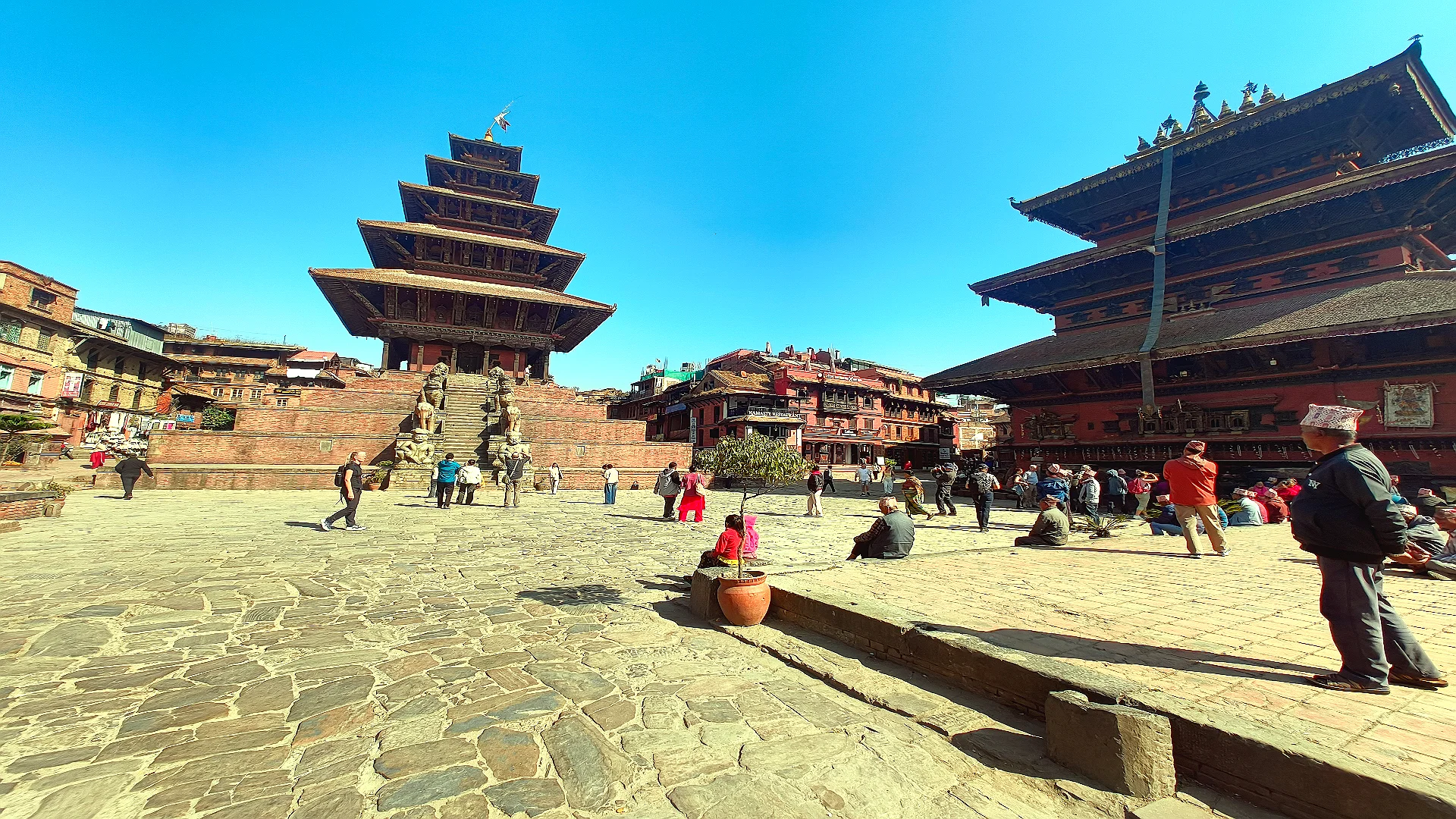
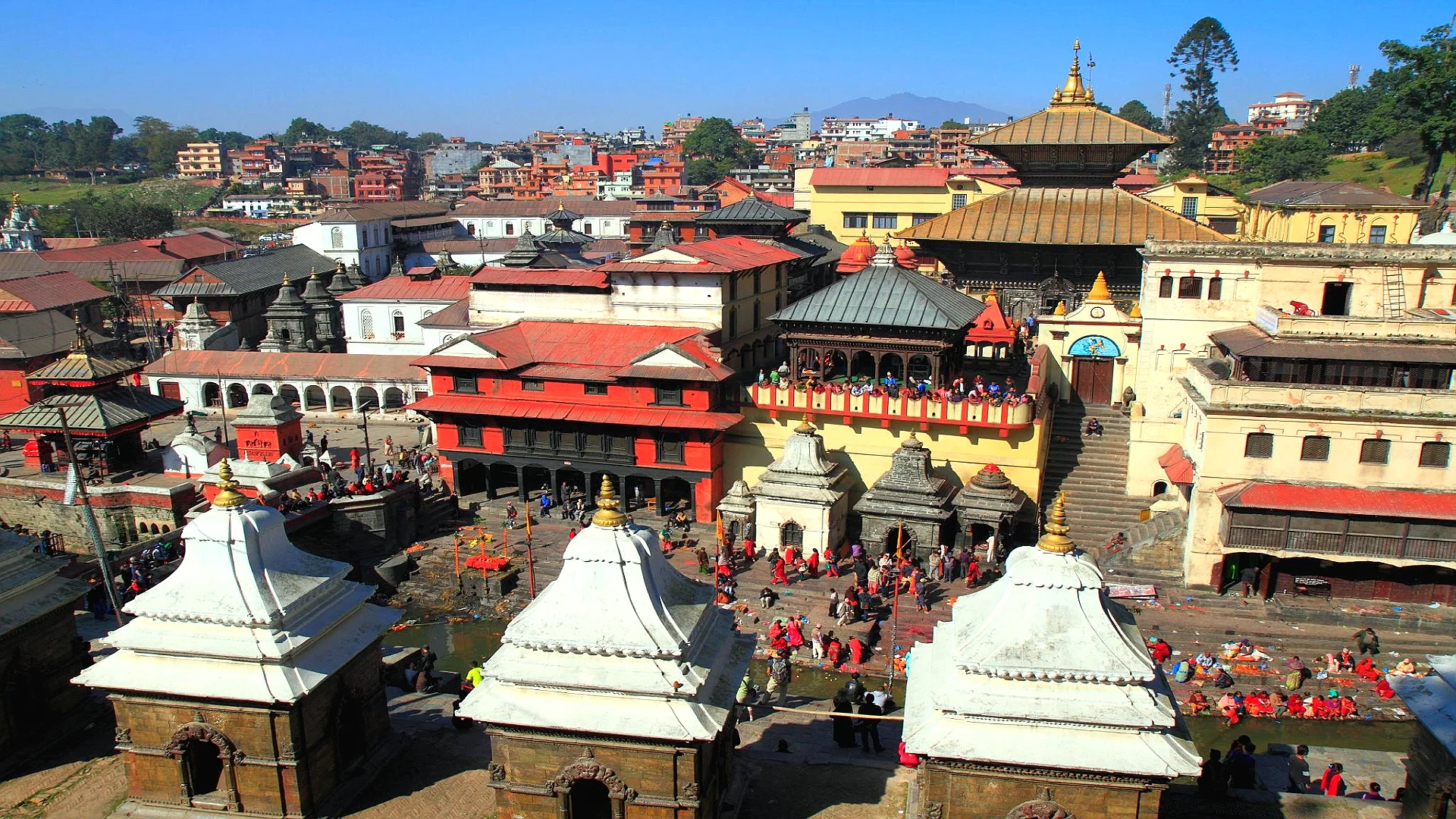
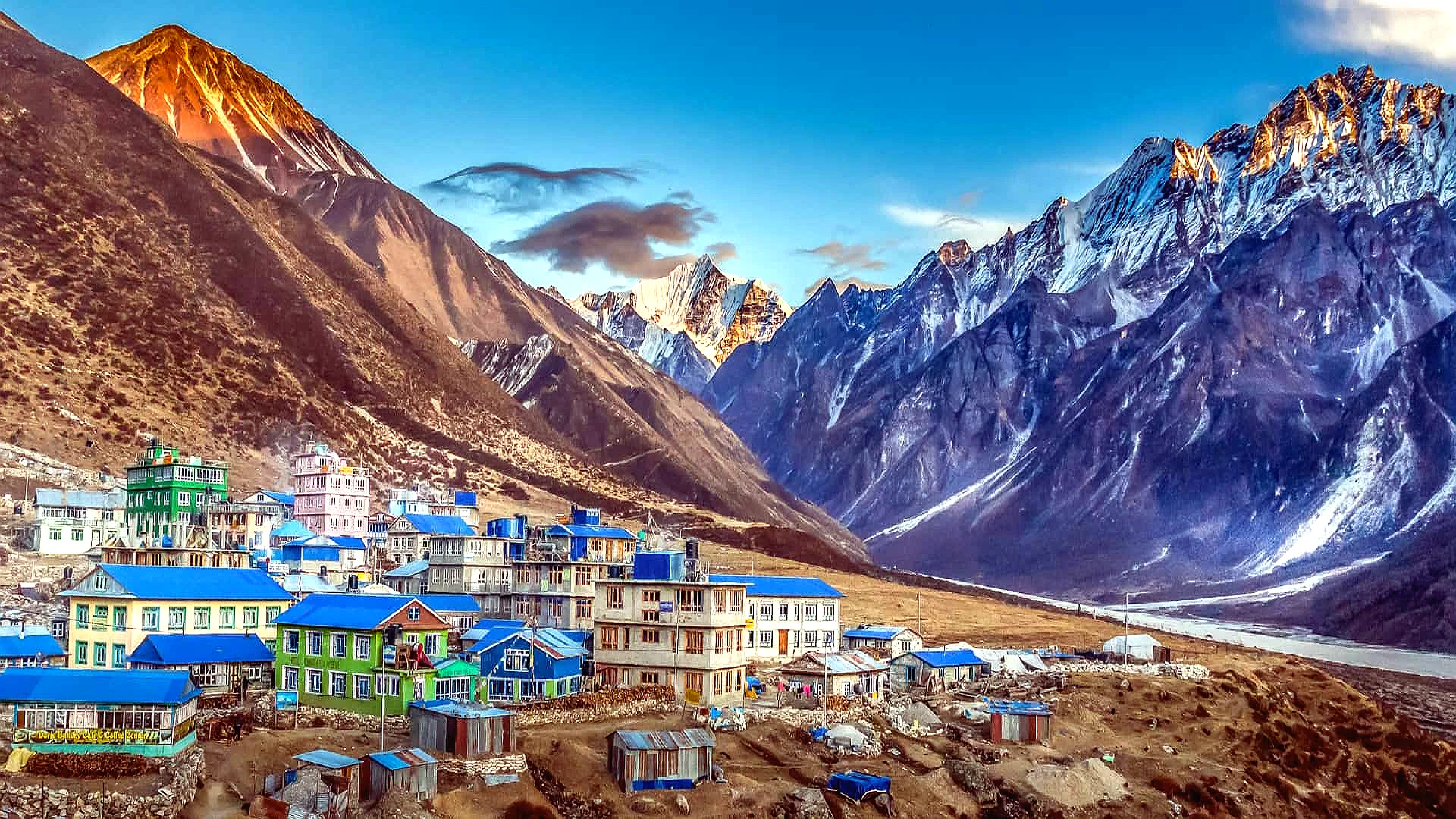
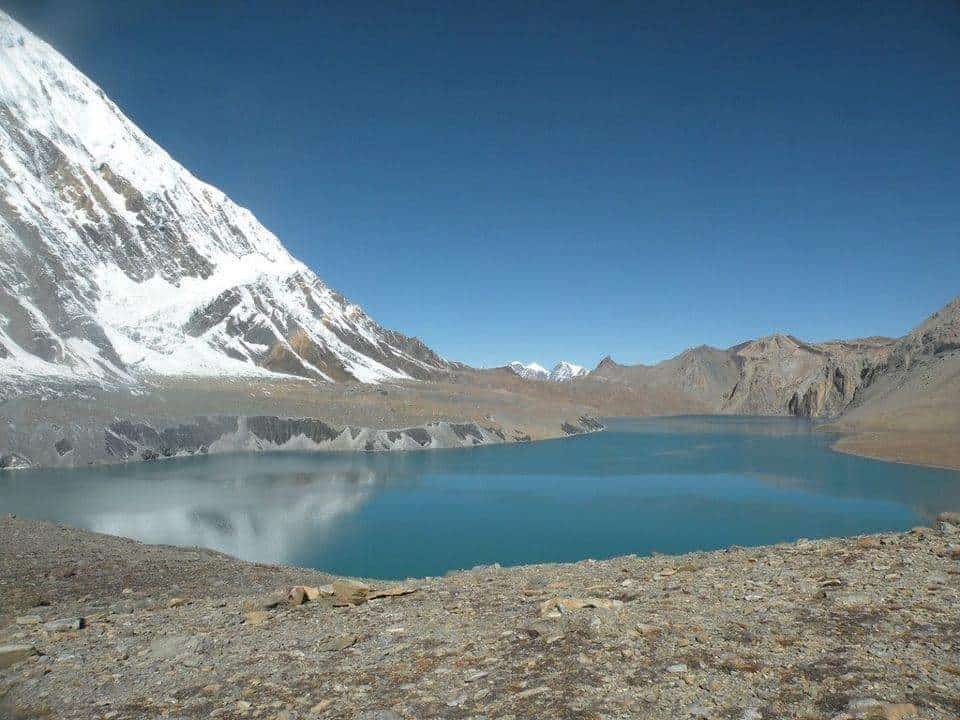
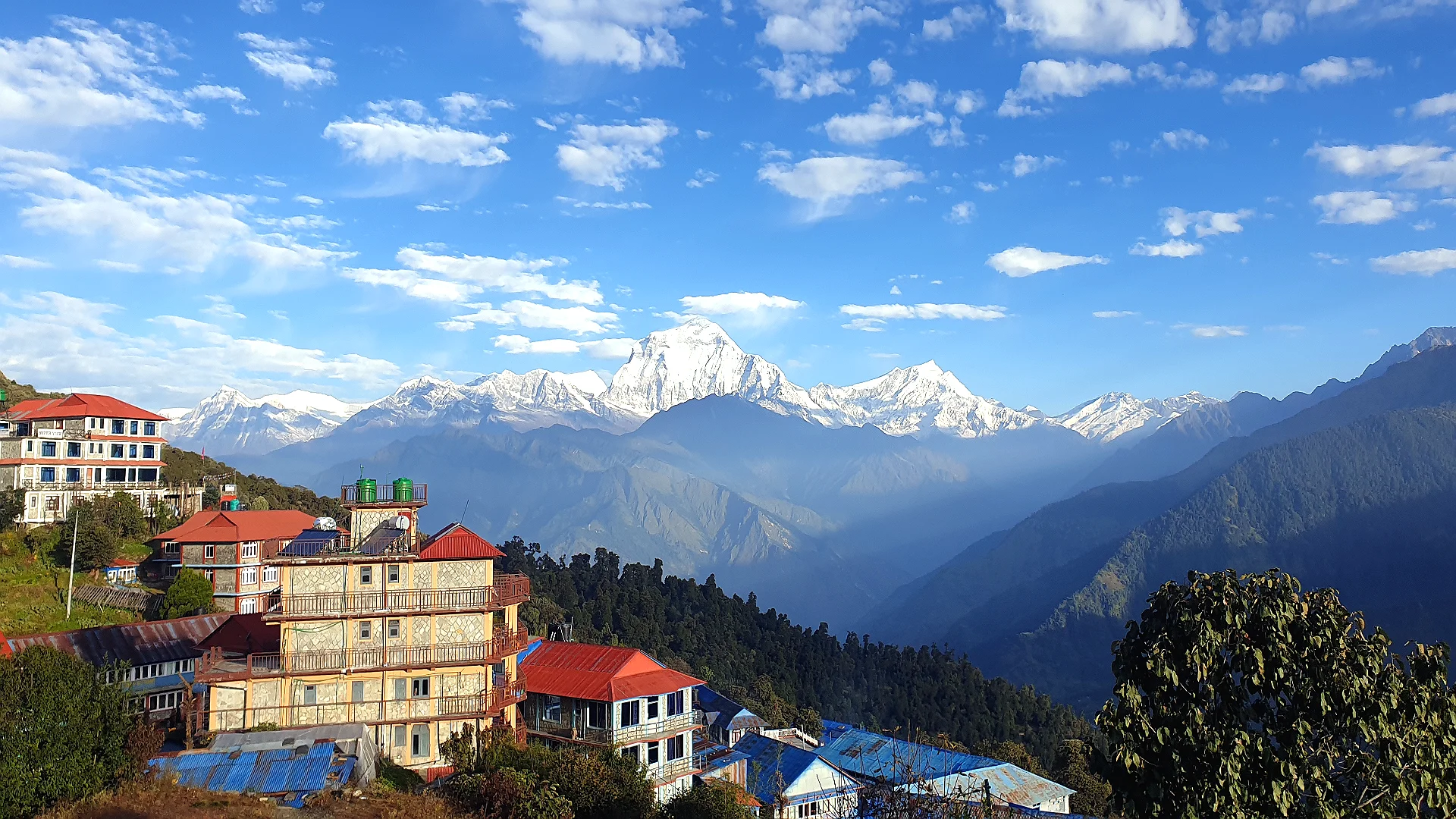
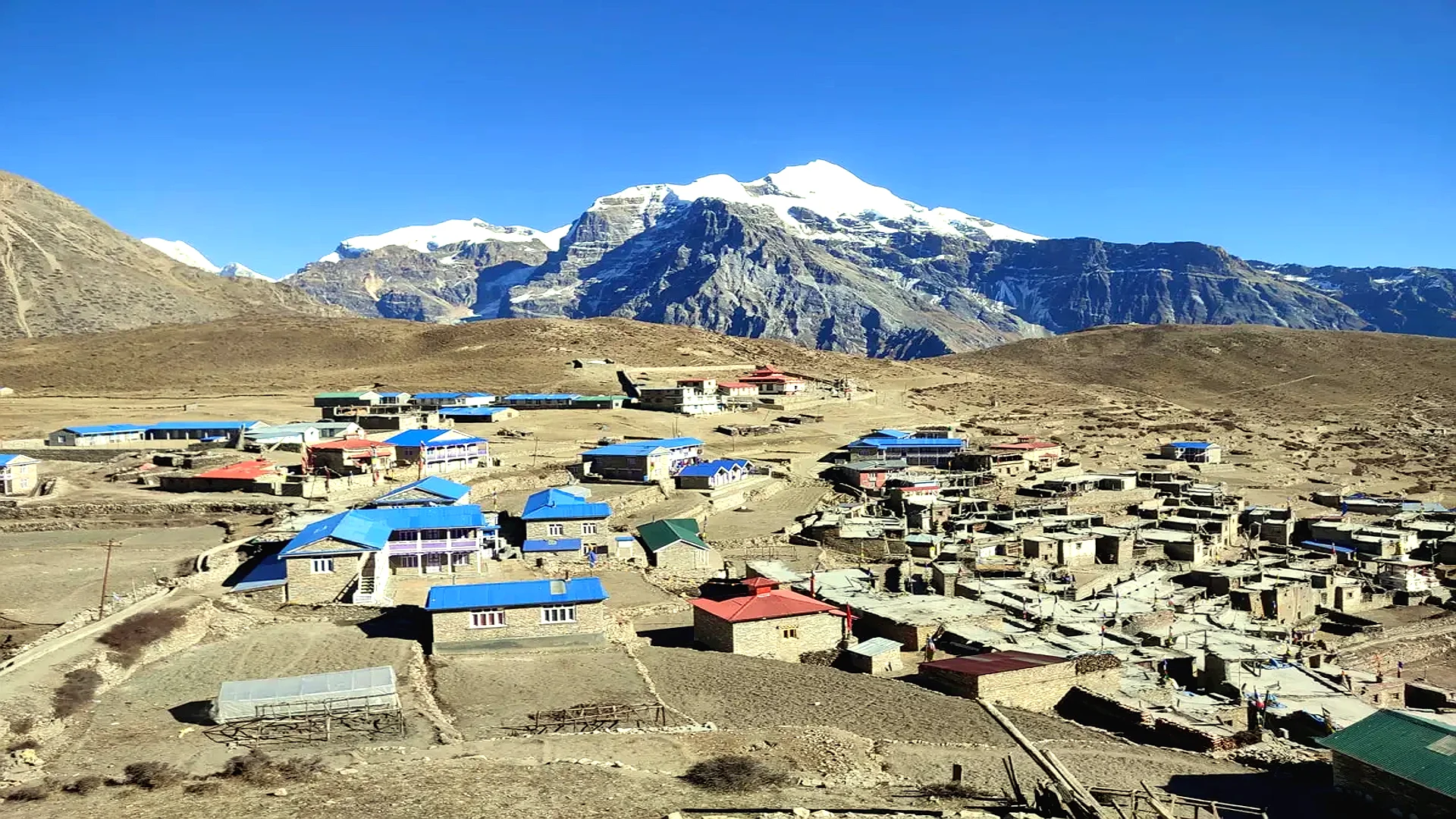
Arrival at Tribhuvan International Airport in Kathmandu. Our representative will warmly welcome you and transfer you to your hotel in the Thamel area. After check-in, we hold an initial trip briefing where you'll meet your climbing guide and discuss the itinerary. The rest of the afternoon is free to rest after your flight or take a short stroll around the Thamel tourist district. In the evening, join us for a welcome dinner at a traditional Nepali restaurant.
+1 more
1 / 6
Island Peak Climbing(6,189m) – 17 Days
17Days
Overview
Group Discounts per-person following group size
2-4 = $2527 pp, 5-9 = $2371 pp, 10+ = $2212 pp.
Conquer Imja Tse on the classic Imja Valley approach
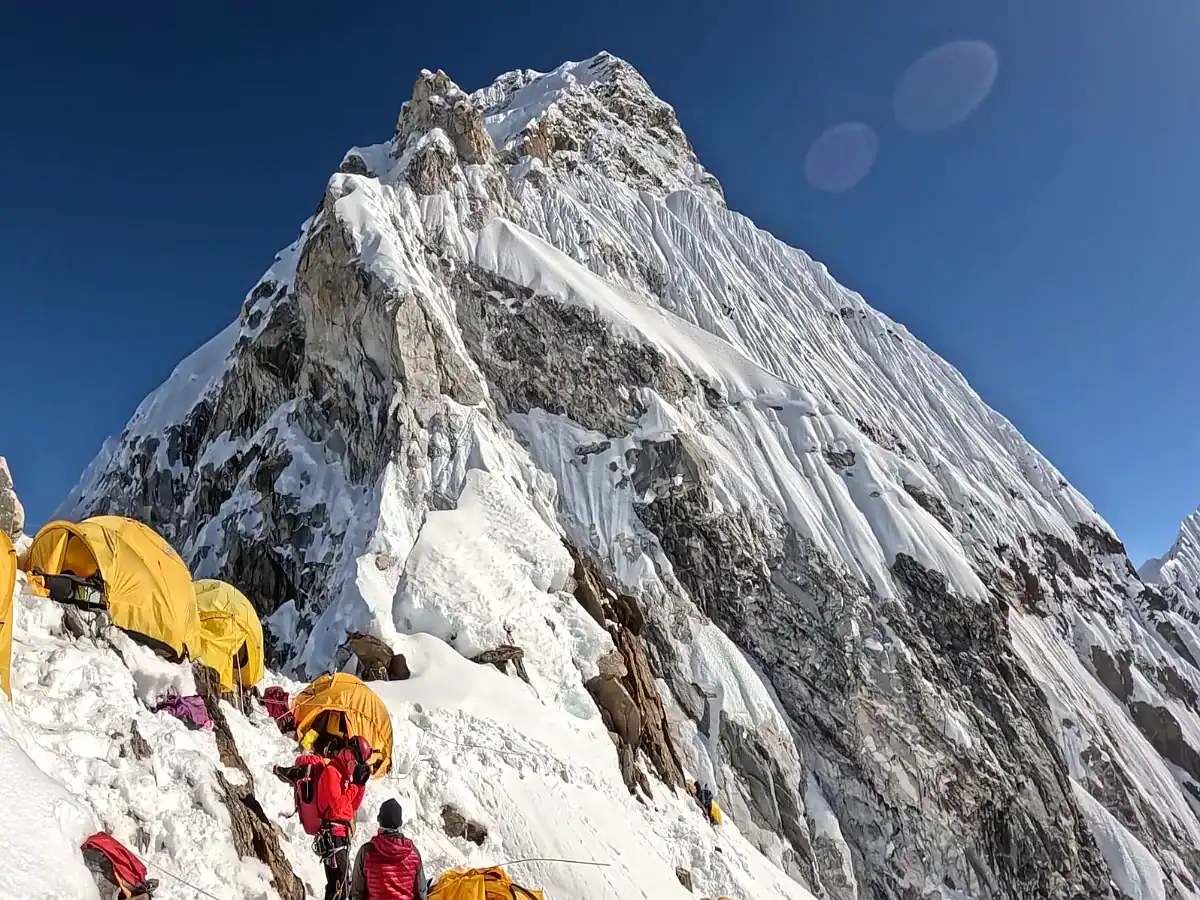
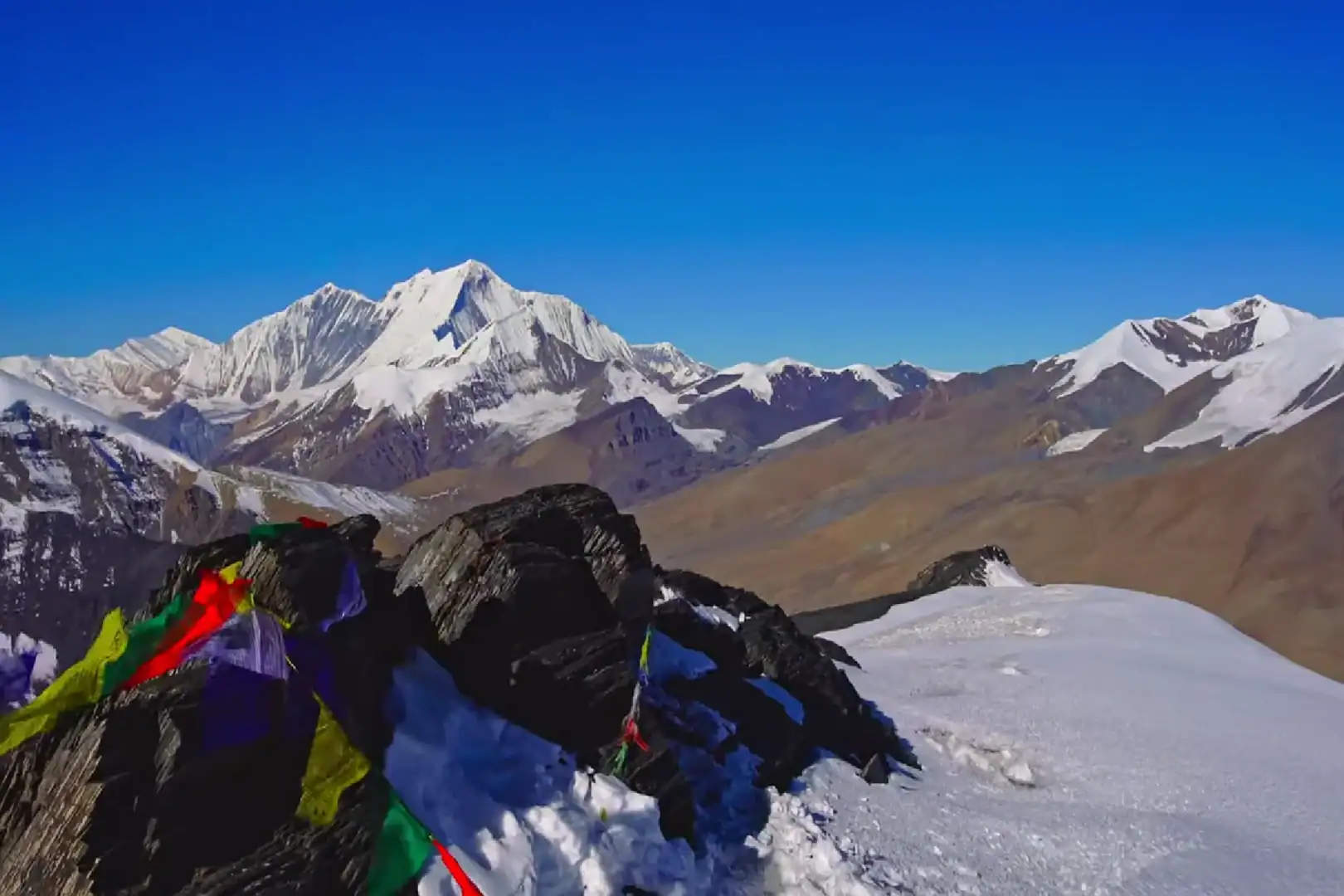
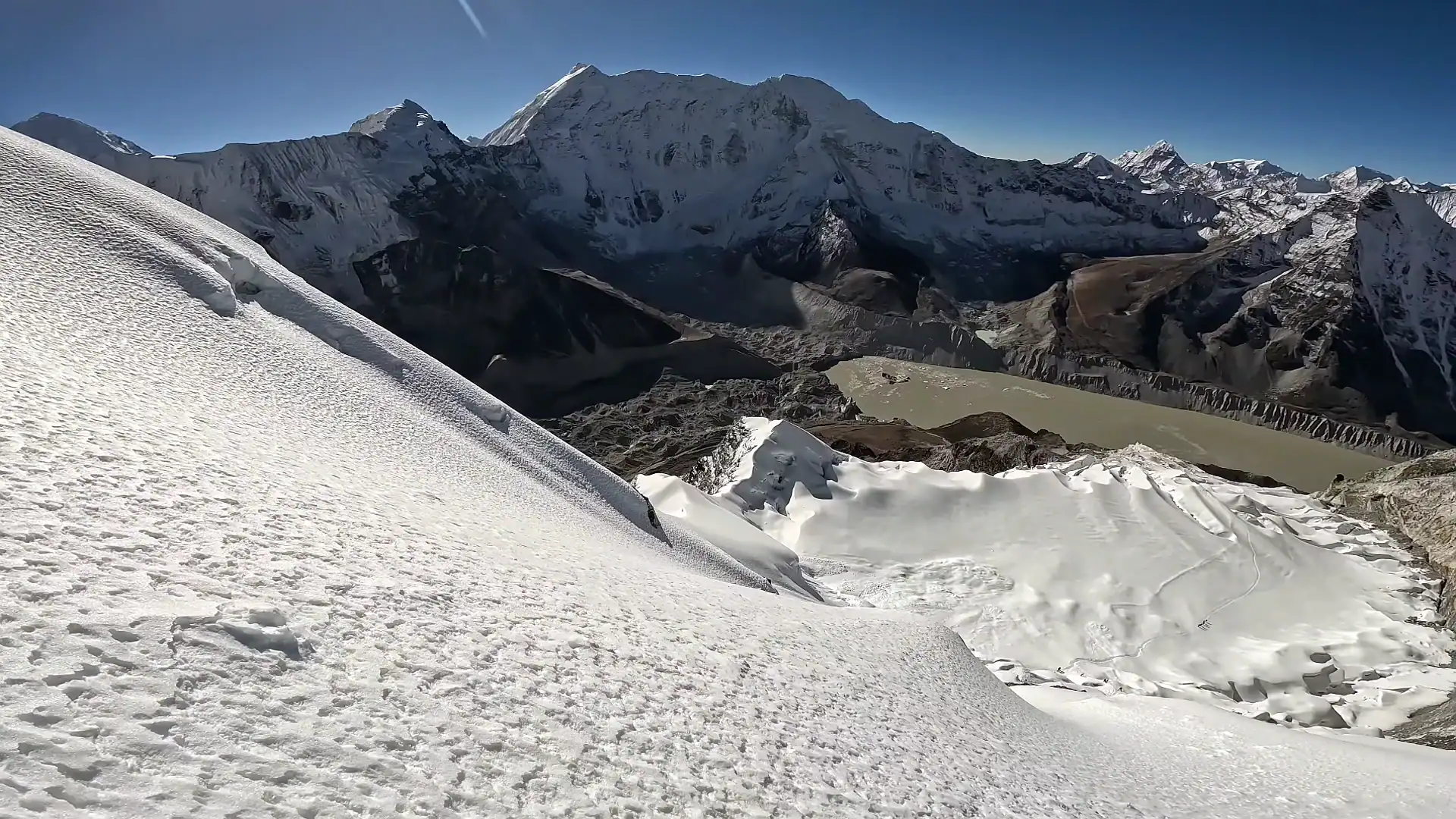
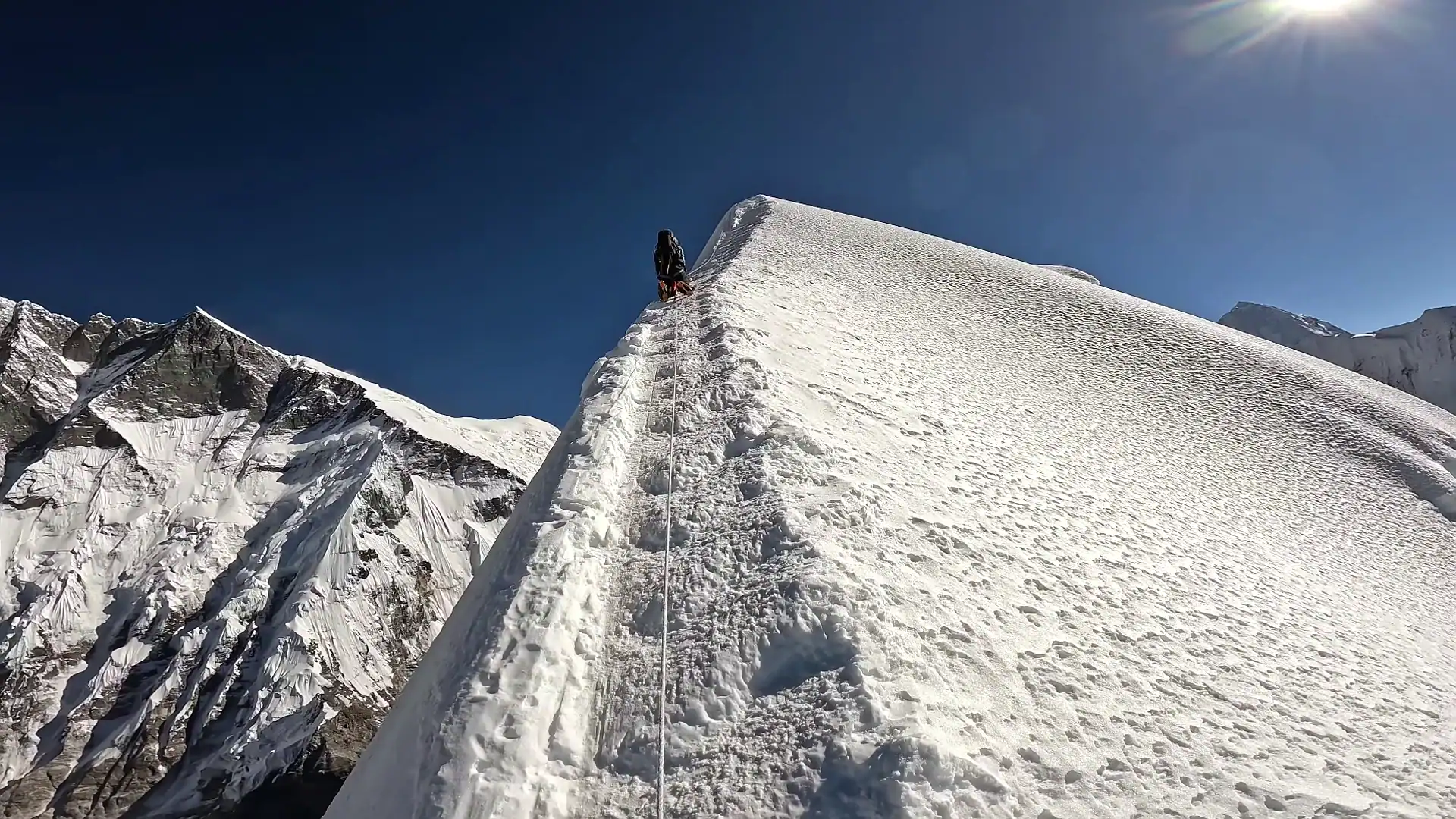
Island Peak (6,189m), also known as Imja Tse, is one of Nepal's most popular and accessible trekking peaks. Nestled in the heart of the Khumbu region deep inside Sagarmatha National Park, the peak rises dramatically above the Imja Glacier directly south of the Lhotse–Everest massif. It was named "Island Peak" in 1953 by Eric Shipton's team because, when viewed from Dingboche, it appears as an island in a sea of ice surrounded by the towering giants of Makalu, Lhotse, Ama Dablam, Baruntse, and Everest itself. Our 17-day Island Peak itinerary skips the Everest Base Camp detour and focuses on the direct climbing route: the classic Khumbu trail through Namche Bazaar, Tengboche and Dingboche, then straight up the Imja Valley to Chhukung and Island Peak Base Camp. Carefully placed acclimatization days — Namche, Dingboche (hike to Chhukung Ri, 5,550m) and a full climbing training day at Chhukung — build the altitude profile you need for safety and summit success, while keeping the trip tight and purposeful. The ascent involves glacier travel with crampons, fixed-rope sections on a steep snow-and-ice headwall, and an exhilarating summit ridge with one of the finest Himalayan panoramas on Earth: Everest, Lhotse, Makalu, Ama Dablam, Nuptse, and Cho Oyu all visible on a clear morning. "Your first true Himalayan summit — where every step rewards you with a view of the world's greatest mountains."
Highlights
- Summit Island Peak (Imja Tse), 6,189m — a classic Nepalese trekking peak
- Skip the crowds of the Everest Base Camp trail — climb via the wild, quiet Imja Valley
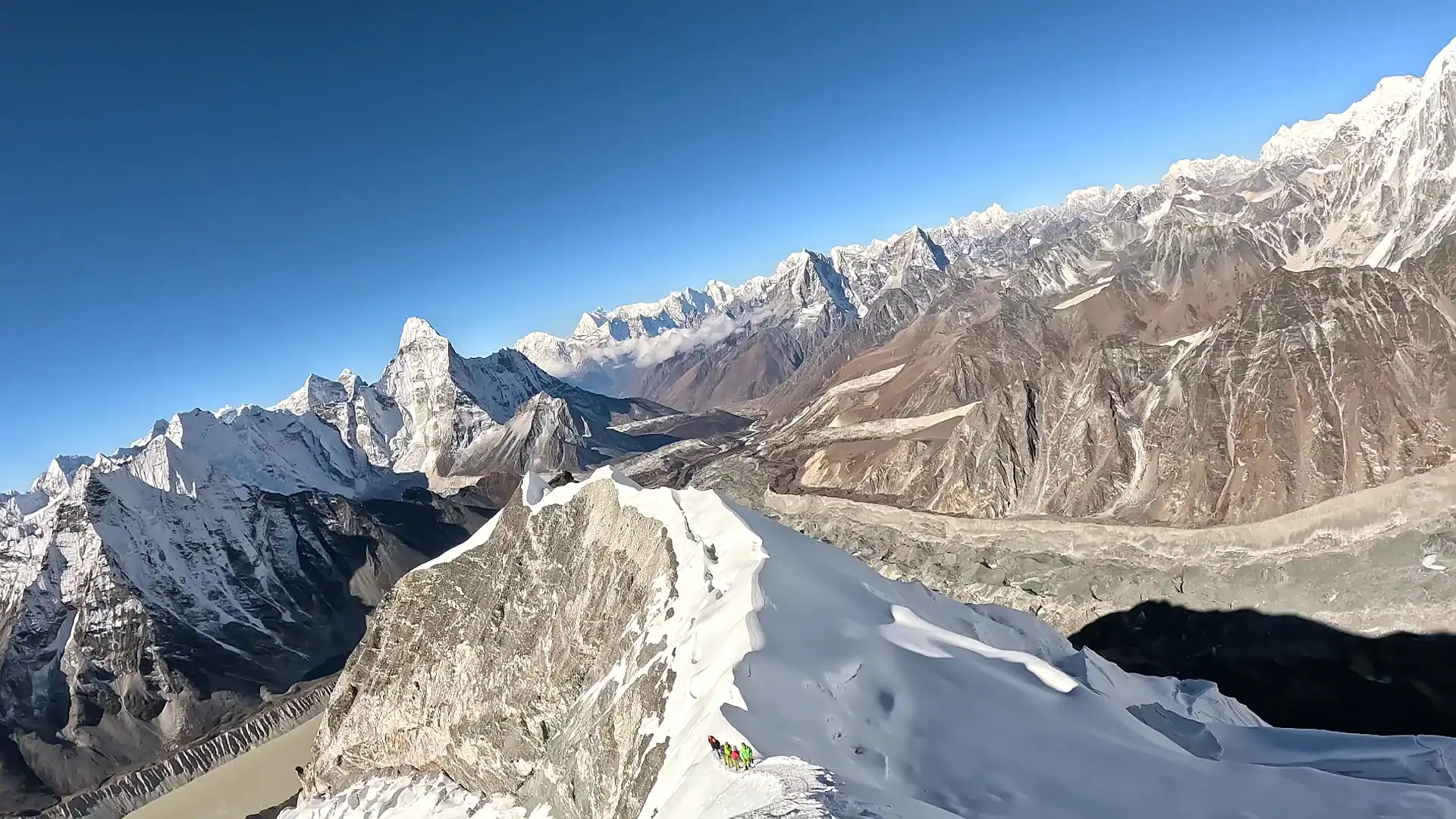
- Unparalleled 360° views from the summit: Everest, Lhotse, Makalu, Ama Dablam, Nuptse, and Cho Oyu
- Acclimatize on Chhukung Ri (5,550m) with full views of Island Peak, Lhotse's south face, Makalu and Baruntse
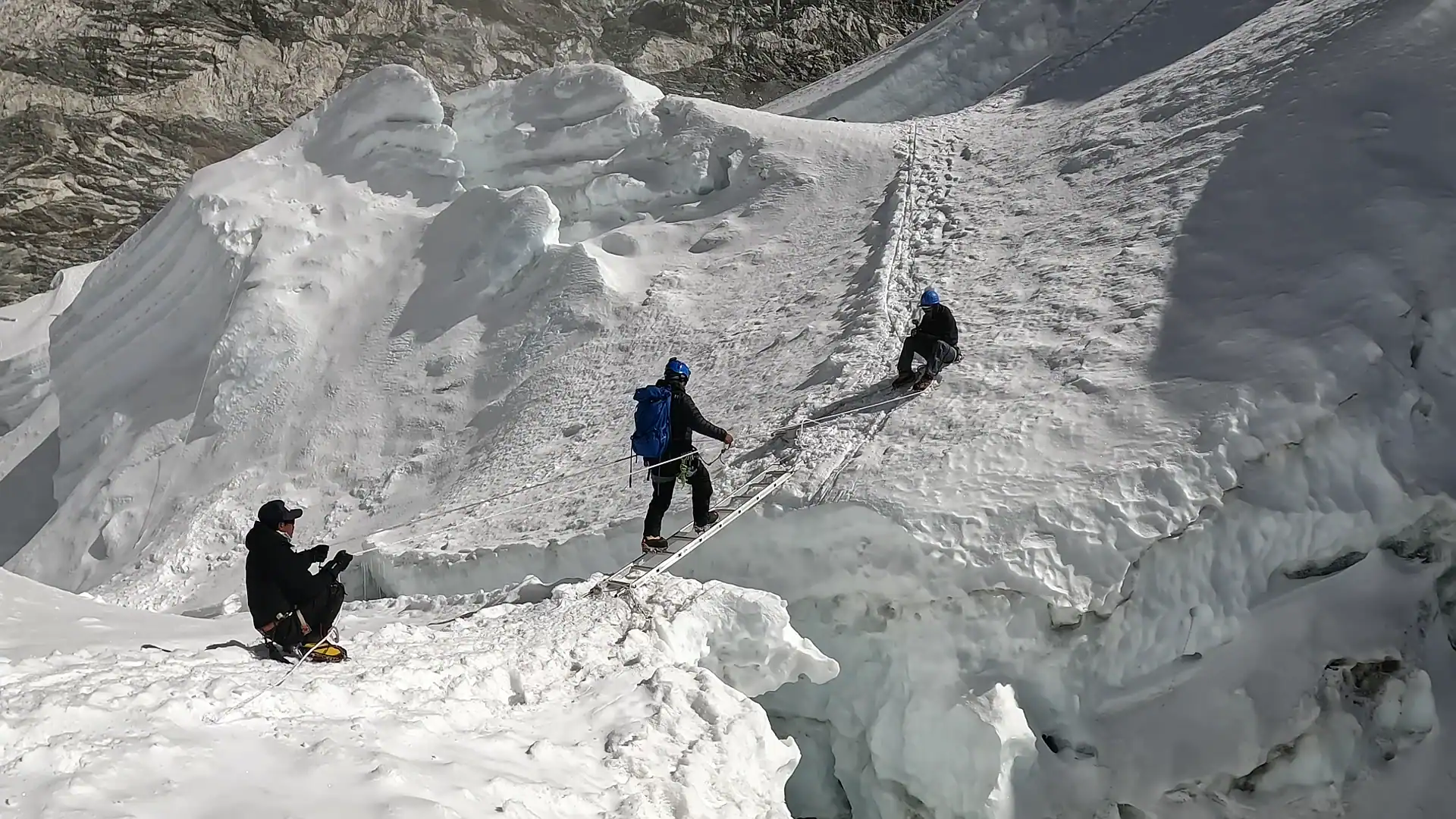
- Experience glacier travel, crampon technique, and fixed-rope climbing with professional guides
- Explore Sherpa culture in Namche Bazaar, Tengboche Monastery, and Khumjung village
- Walk through Sagarmatha National Park, a UNESCO World Heritage Site
- Comprehensive acclimatization profile for safety and summit success
- Contingency day built in for weather flexibility
- Fully guided by certified climbing Sherpas with full expedition support
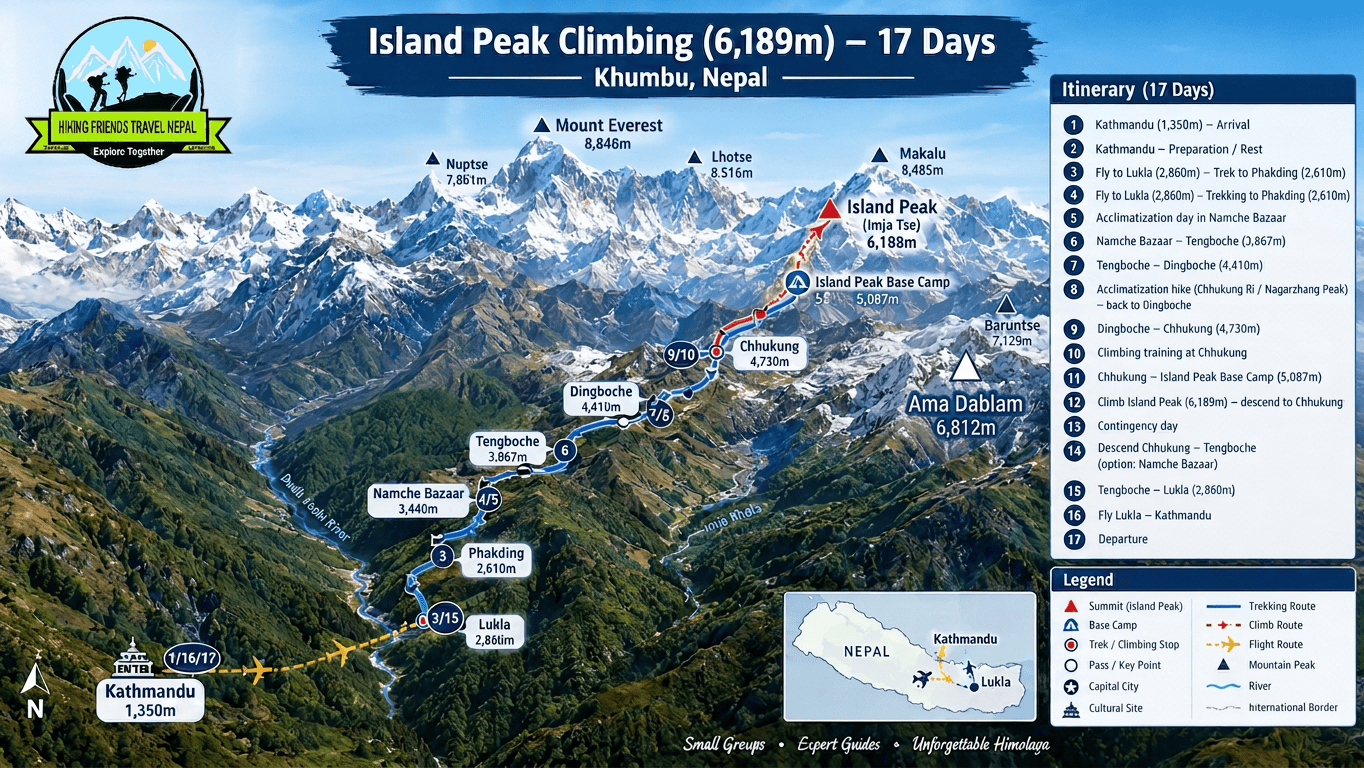
Trip Map
Day-by-Day Itinerary
A full preparation day in Kathmandu. We process your Island Peak climbing permit, Sagarmatha National Park entry permit, and TIMS card. In the morning, you will meet your climbing team for a detailed pre-trip briefing covering the route, safety procedures, and what to expect on summit day. The afternoon is reserved for last-minute gear shopping in Thamel's many outdoor shops, and for checking technical equipment (crampons, harness, ice axe, ascender). If you need to rent anything, our guide will help you find quality gear at fair prices. Overnight in Kathmandu.
Flight: 35 min | Trek: 3–4 hrs An early morning transfer to the domestic airport for one of the world's most spectacular mountain flights — a 35-minute flight to Tenzing-Hillary Airport at Lukla, often called the gateway to Everest. After landing, we meet our porters and begin the trek, descending gently through pine and rhododendron forests alongside the Dudh Kosi River. We pass small Sherpa settlements and cross several suspension bridges strung with prayer flags before reaching Phakding for the night.
Trek: 6–7 hrs A challenging and spectacular day. We follow the Dudh Kosi upstream, crossing it several times on high suspension bridges — including the famous Hillary Suspension Bridge near Benkar. The trail climbs steeply through pine forest, and as we near Namche, the first breathtaking views of Everest, Lhotse, Nuptse, Thamserku, and Kusum Kanguru appear through the trees. We enter Sagarmatha National Park at Jorsalle (checkpoint) before the final steep pull up to Namche Bazaar, the bustling Sherpa trading hub of the Khumbu.
A crucial acclimatization day following the golden rule of high-altitude trekking: "climb high, sleep low." After breakfast, we hike up to the Everest View Point above Namche and visit the traditional Sherpa village of Khumjung (3,790m), home to the Hillary School and Khumjung Gompa (where the legendary Yeti scalp is kept). We also stop at the Syangboche viewpoint and the Everest View Hotel for stunning panoramas of Everest, Lhotse, Ama Dablam, Thamserku, and other giants. We return to Namche in the afternoon for rest and hydration.
Trek: 5–6 hrs The trail descends gently to the Dudh Kosi before climbing steadily through beautiful rhododendron, pine, and fir forests. We pass through the villages of Kenjoma and Sanasa, with ever-improving views of Ama Dablam, Everest, Lhotse, and Thamserku. We reach Tengboche in time to visit the famous Tengboche Monastery, the largest in the Khumbu and a spiritual center of the region. If we arrive before the afternoon puja (ceremony), we can watch the monks' chanting. Overnight in Tengboche.
Trek: 5–6 hrs We descend past mani walls and prayer flags to Deboche (3,630m), cross the Imja Khola, and ascend gradually through Pangboche village — the oldest Sherpa village in the Khumbu, with its ancient monastery. The trail enters higher alpine terrain with fewer trees, following the Imja Khola upstream with Ama Dablam towering directly ahead. We arrive at Dingboche, a stone-walled village surrounded by stone-walled fields, where we'll spend two nights to aid acclimatization.
Another vital acclimatization day. We take a day hike to Chhukung Ri (5,550m) or Nagarzhang Peak (5,083m) above Dingboche, climbing high to stimulate red blood cell production, then returning to Dingboche to sleep. The hike up Chhukung Ri rewards with spectacular close-up views of Lhotse's south face, Makalu, Ama Dablam, Imja Tse (Island Peak), and Baruntse. The rest of the day is reserved for fluids, carbohydrates, and rest. We also conduct a briefing on the upcoming climbing section and review equipment.
Trek: 2–3 hrs A short but beautiful day in the heart of the Imja Valley. We leave Dingboche's stone-walled fields and follow the trail east, climbing gently through summer grazing pastures with Ama Dablam behind us and the bulk of Island Peak and Lhotse's south face growing ahead. We reach Chhukung (4,730m), a small climbers' settlement surrounded by dramatic peaks, by early afternoon — from here we get our first clear view of Island Peak (Imja Tse) rising at the head of the Imja Glacier. The afternoon is reserved for rest; for those feeling strong, a short walk up the lower slopes of Chhukung Ri offers even more commanding views. Your climbing guide will then conduct a gear check and a briefing about the next few days of climbing.
Our final preparation day. We do a short acclimatization hike up the flanks of Chhukung Ri to further boost acclimatization, then conduct hands-on mountaineering training. Your climbing guide will teach and practice with you:
- Proper fitting and use of crampons
- Ice axe self-arrest technique
- Use of ascender (jumar) on fixed rope
- Rappelling / abseiling technique
- Walking roped-up on a glacier
- Crevasse awareness and safety
In the afternoon, we pack summit-day packs, organize climbing hardware, and rest. A full briefing covers the summit plan, timing, and safety protocols.
Trek: 3–4 hrs A short but spectacular day. We leave Chhukung after breakfast and follow the Imja Khola up-valley, traversing moraine and rocky terrain with constant views of Lhotse's south face, Ama Dablam, and the growing bulk of Island Peak ahead. We reach Island Peak Base Camp (locally called Pareshaya Gyab, 5,087m) set on a rocky plateau beside the Lhotse Glacier. Our Sherpa crew will have tents set up. We enjoy an early dinner and get to bed well before dark, as summit day starts well before midnight.
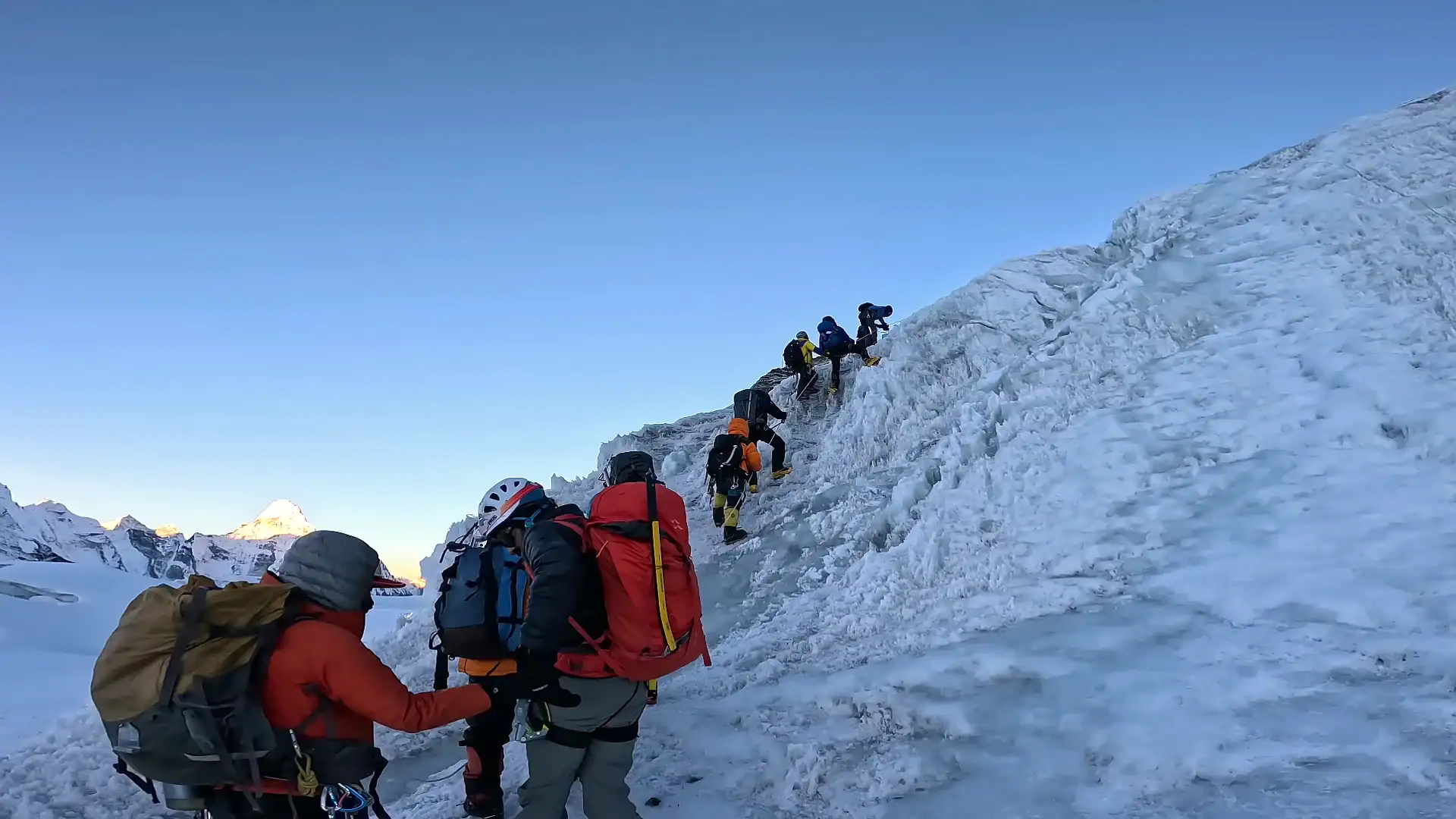
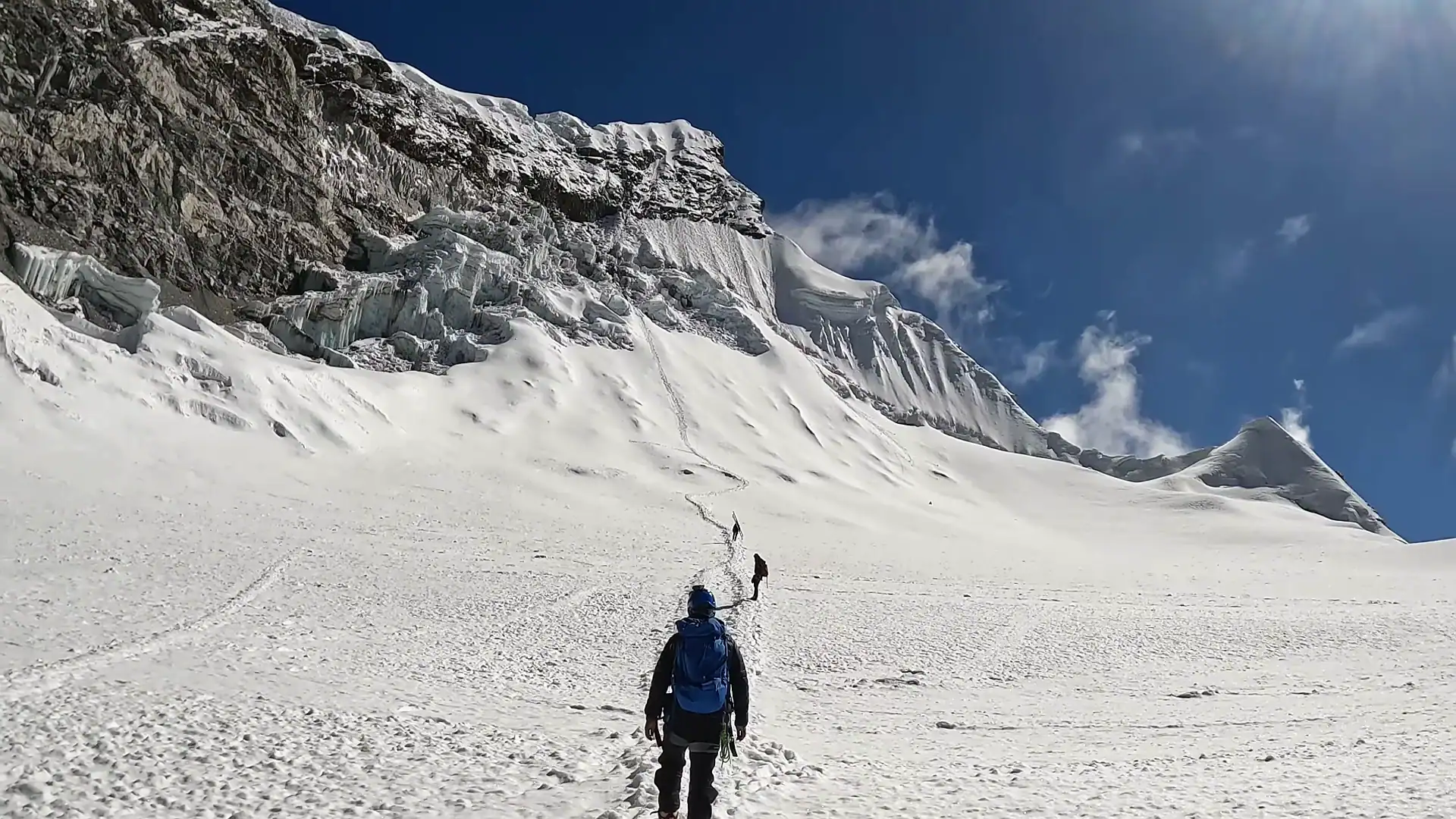
Climb/Trek: 10–12 hrs Summit day — the culmination of your adventure. We wake around 1:00–2:00 AM for a hot drink and light breakfast before setting off by headlamp. We climb onto the Imja Glacier, rope up as a team, and begin the gradual glacier walk (crampons on) with our climbing Sherpas leading the way through the crevassed terrain. As dawn breaks, we reach the base of the headwall — a steep 100–200m snow and ice slope at roughly 45–55 degrees, which we climb on fixed lines using ascenders. Above the headwall, we follow the dramatic summit ridge (exposed in places) to the top of Imja Tse (6,189m). From the summit, a breathtaking 360° panorama unfolds: Mount Everest (8,848m), Lhotse (8,516m), Makalu (8,485m), Cho Oyu (8,188m), Ama Dablam (6,812m), Nuptse (7,861m), Baruntse (7,129m), and countless other peaks across the Khumbu and Makalu regions. After time for photos and celebration on the summit, we carefully descend, rappelling the headwall and retracing our steps across the glacier to Base Camp for a brief rest, then continue the descent down to Chhukung for a well-earned night's sleep at a lodge.
A built-in buffer day. This day provides a safety cushion in case bad weather, high winds, or route conditions force a delay in our summit attempt. If we have already summited successfully on Day 12, this becomes a welcome rest day in Chhukung — you may choose to take a short walk for different views of Ama Dablam and Lhotse, or simply enjoy the lodge and recover before the descent. If weather prevented a summit on Day 12, we use this day to move to Base Camp and attempt the summit.
Trek: 6–7 hrs (optionally pushed to Namche) We begin our return trek, descending from Chhukung back through the Imja Valley to Pangboche, past mani walls and prayer flags, through the conifer and rhododendron forests to Tengboche. Depending on the group's pace, we may stop at Tengboche or continue down to Namche Bazaar for the night. Our Sherpa crew will celebrate with us in the evening — sharing chang or soft drinks and stories from the climb.
Trek: 6–7 hrs We descend all the way back through the Dudh Kosi valley, passing familiar villages and the many suspension bridges that mark the Everest trail. We retrace our steps via Jorsalle and Monjo, exiting Sagarmatha National Park, and arrive in Lukla by afternoon — a fitting end to a great adventure. Celebration dinner tonight with the trekking and climbing team, with stories and laughter.
Flight: 35 min Morning flight back to Kathmandu (subject to weather; the contingency day on Day 13 also helps buffer against Lukla flight delays). Check into your hotel, then enjoy a long hot shower and a well-deserved rest. In the evening, we host a farewell dinner at a nice restaurant in Thamel, where we will present you with a summit certificate and toast your achievement. Overnight in Kathmandu.
Transfer to Tribhuvan International Airport for your onward flight. If your flight departs later in the day, there is time for some last-minute souvenir shopping in Thamel or a visit to Boudhanath Stupa. We wish you safe travels and hope you will return to the Himalayas again soon.
Cost Details
What's Included
- Airport transfers; all domestic flights Kathmandu–Lukla–Kathmandu; Island Peak climbing permit, Sagarmatha National Park entry permit, Khumbu Pasang Lhamu Rural Municipality fee, and TIMS card; government-licensed English-speaking trekking guide; certified NNMGA/UIAGM climbing guide / climbing Sherpa; porter service (1 porter per 2 climbers, max 12 kg per person); all meals on trek; tea-house/lodge accommodation; tented camp at Island Peak Base Camp; climbing group equipment (ropes, ice bars, snow bars, carabiners, slings); duffel bag; first aid kit; taxes; welcome and farewell dinners; 24/7 Kathmandu office support; achievement certificate.
Not Included
- International airfare; Nepal visa fee; travel/rescue insurance (must cover high-altitude trekking and climbing to 6,500m, including helicopter evacuation); personal climbing equipment (rentable in Kathmandu); Kathmandu meals except where listed; drinks, hot showers, Wi-Fi, charging on trek; tips; personal expenses; emergency helicopter evacuation; extra costs from flight delays or itinerary changes beyond our control.
Gear List
Hiking Friends Travel Nepal
A branded duffel bag is provided for the trek and climb; please return it at trip end.
Documents & Money
Passport (valid for 6+ months beyond your trip), Travel insurance policy (covering up to 6,500m & helicopter rescue), 4 passport-size photographs, Cash in USD or Nepalese Rupees for tips, drinks, and personal expenses, Debit/credit card (for Kathmandu use)
Clothing
Upper Body 2–3 quick-dry trekking shirts, 1–2 thermal base layers (merino wool recommended), 1 mid-weight fleece jacket, 1 down jacket (800-fill, -15°C or better), 1 hard-shell / waterproof jacket (Gore-Tex or equivalent) Lower Body 2 pairs quick-dry trekking pants, 1 thermal base-layer bottom, 1 hard-shell / waterproof pant, Lightweight shorts for lower elevations Underwear & Socks 4–5 pairs trekking underwear, 3–4 pairs trekking socks (medium weight), 1–2 pairs heavy wool / mountaineering socks for summit day
Head & Hands
Sun cap or wide-brimmed hat, Warm fleece or wool beanie, Buff / neck gaiter, Sun glacier glasses (category 4 lenses for snow), Lightweight fleece gloves, Heavyweight waterproof mountaineering gloves / mittens, Spare lightweight glove liners
Footwear
Mountaineering boots (fully crampon-compatible, stiff sole, well broken-in), Lightweight trekking shoes or trail runners for approach days, Camp shoes (sandals or down booties for lodges/tents), Gaiters (for snow on summit day)
Climbing Equipment
Climbing harness, Mountaineering crampons (steel, step-in or hybrid — must match boots), Mountaineering ice axe (55–65 cm, general mountaineering pick), Ascender / jumar (right or left, matched to your grip), Climbing helmet, 2 locking carabiners (pear-shaped HMS style), 1–2 slings / quickdraws, Trekking poles (collapsible, pair) All technical climbing equipment can be rented in Kathmandu from reputable shops. Your guide will help with fitting.
Daypack (35–45L)
Water bottles/hydration system (2L minimum), Packed snacks & energy bars, Down jacket & waterproof layers, Camera / phone, Sunscreen, lip balm, sunglasses, Personal medications & basic first aid, Headlamp with spare batteries
Sleeping Gear
Sleeping bag rated to -15°C / -20°C (four-season), Sleeping bag liner (silk or fleece, optional but recommended for warmth & hygiene)
Toiletries & Personal Items
Toothbrush / toothpaste, Biodegradable soap, Sunscreen SPF 50+, Lip balm with SPF, Hand sanitizer, Quick-dry travel towel, Wet wipes / baby wipes (no showers at high camps), Personal medications ( Diamox/acetazolamide, ibuprofen, blister care, etc.)
Electronics
Mobile phone, Power bank (20,000 mAh or larger), Charging cables & adapter (Type C/D/M for Nepal), Headlamp + extra batteries, Camera + extra batteries (cold kills batteries fast), Watch or altimeter watch
Water & Snacks
2 × 1L water bottles or a 2L hydration bladder, Water purification tablets or SteriPen, Energy bars, gels, chocolate, nuts, trail mix, Electrolyte rehydration sachets
Porter Weight Limit
1 porter per 2 climbers, carrying a maximum of 12 kg per person (24 kg total per porter). Recommended: Duffel bag 10–12 kg; daypack 4–6 kg. Pack light, layer smart, and focus on essentials. The less you carry, the more enjoyable — and safer — your Island Peak climb will be. 
Frequently Asked Questions
Island Peak is considered a "trekking peak" but is a serious high-altitude mountaineering objective. The summit day is long (10–12 hours) and involves glacier travel, crevasses, a steep 100–200m ice/snow headwall at 45–55° climbed on fixed rope, and an exposed summit ridge. Previous trekking experience and very good cardio fitness are required.
Previous technical climbing experience is not strictly required, but you must be fit, comfortable with heights, and willing to learn. Our climbing guides provide full pre-climb training in crampon use, self-arrest, jumar technique, and glacier travel before summit day. Multi-day trekking experience above 4,000m is strongly recommended.
With proper acclimatization (which our EBC/Kala Patthar routing provides), success rates are approximately 75–85%. Weather, fitness, and acclimatization are the main determinants. Our contingency day is specifically designed to maximize summit chances.
Yes — altitude sickness (AMS) is a real risk on any climb above 5,000m, and Island Peak's summit is 6,189m. Our itinerary follows a conservative, acclimatization-focused profile with two dedicated acclimatization days, a high point at Kala Patthar (5,644m) before the climb, and a night lower at Pheriche to improve acclimatization. Our guides are trained in altitude first aid and carry pulse oximeters and a medical kit.
Temperatures at Base Camp can drop to -10°C overnight. On the summit ridge before sunrise, wind-chill temperatures can reach -20°C to -25°C. Proper gear (down jacket, four-season sleeping bag, heavy mittens) is essential.
Island Peak Climbing Permit (issued by Nepal Mountaineering Association)
Sagarmatha National Park Entry Permit
Khumbu Pasang Lhamu Rural Municipality Entry Fee
TIMS Card
All permits are arranged by Hiking Friends Travel Nepal.
Sagarmatha National Park Entry Permit
Khumbu Pasang Lhamu Rural Municipality Entry Fee
TIMS Card
All permits are arranged by Hiking Friends Travel Nepal.
Kathmandu: 3-star hotel in Thamel
On trek: Tea houses / mountain lodges (twin-share basis with shared bathroom)
Island Peak Base Camp: Tented camp (twin-share sleeping tents, communal mess tent, kitchen tent, toilet tent)
On trek: Tea houses / mountain lodges (twin-share basis with shared bathroom)
Island Peak Base Camp: Tented camp (twin-share sleeping tents, communal mess tent, kitchen tent, toilet tent)
Yes. All technical climbing gear — mountaineering boots, crampons, harness, ice axe, helmet, ascender, down suit if desired — can be rented in Kathmandu at reasonable rates. Your guide will help with fitting and quality checks.
Most tea houses along the route offer charging for a small fee (typically USD 2–5 per hour or per full charge). Wi-Fi is available at most lodges for a daily fee of USD 3–8 but becomes slower and less reliable higher up. There is no charging at Base Camp.
✅ Certified, experienced climbing Sherpas with proven Island Peak records
✅ Safety-first acclimatization itinerary including EBC & Kala Patthar
✅ Small group sizes (max 8 climbers per group)
✅ Full pre-climb training on the mountain
✅ Contingency day built in for weather flexibility
✅ Transparent pricing with no hidden costs
✅ Locally owned & government-licensed company
✅ 24/7 Kathmandu office support throughout your trip
A 5% advance deposit secures your booking.
Itineraries are fully customizable: we can add days, combine Island Peak with EBC/Gokyo Lakes/Three Passes, shorten the route, arrange private departures, and tailor the trip for solo travelers, couples, or groups.
Group discounts and B2B agency rates are available — please inquire.
Contact Hiking Friends Travel Nepal for departure dates, detailed quotes, and personalized advice.