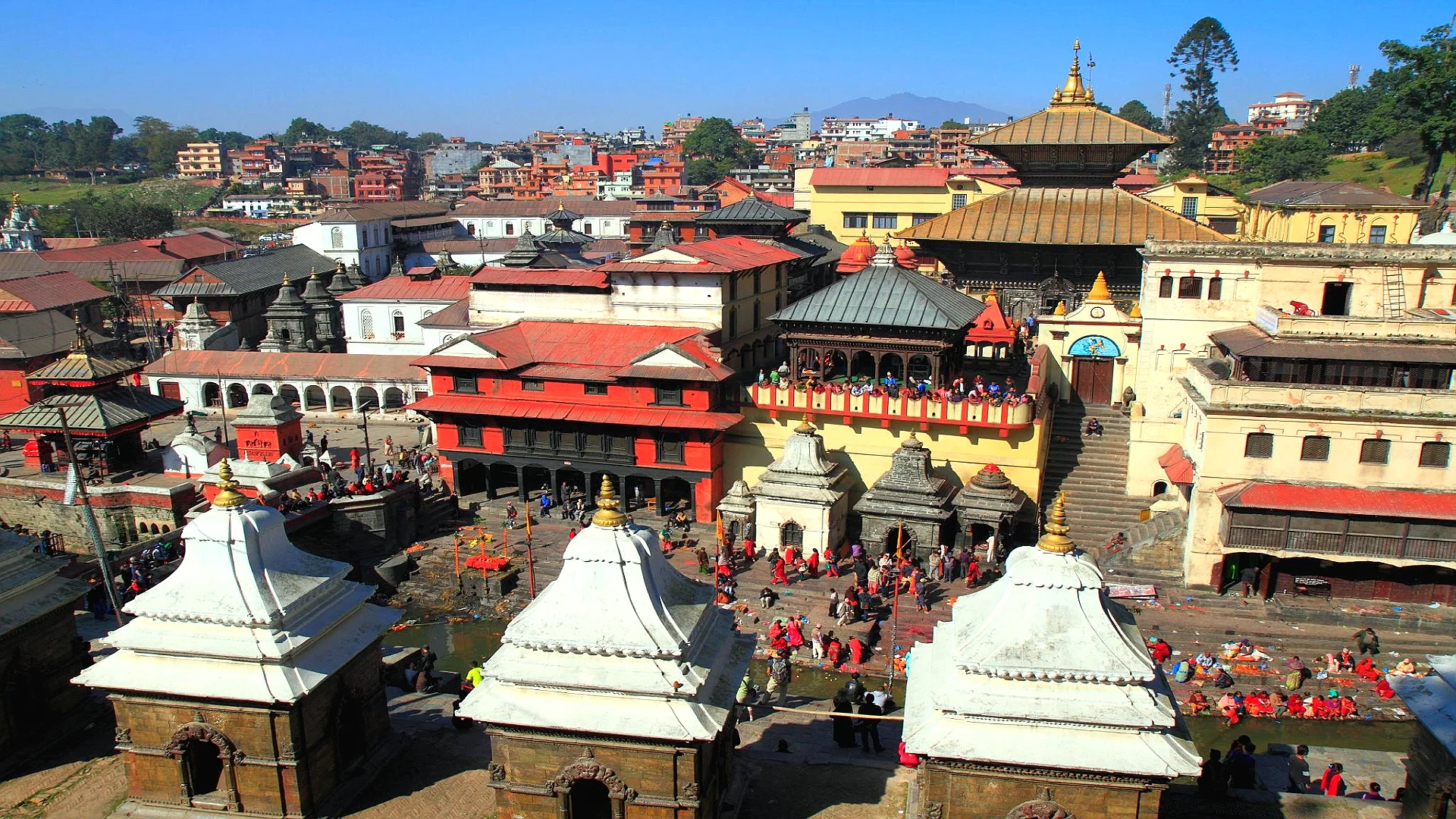
Arrive at Tribhuvan International Airport and transfer to your Kathmandu hotel. Meet the Hiking Friends Travel Nepal team for an initial welcome, document check and trip orientation. Use the afternoon to recover from international travel and organize personal equipment.
+6 more
1 / 11
Ama Dablam Expedition (6,812m) – 20 Days
20Days
Overview
Group Discounts per-person following group size
2-4 = $3834 pp, 5-8 = $3622 pp, 9+ = $3408 pp.
Climb the Southwest Ridge of Ama Dablam with Hiking Friends Travel Nepal
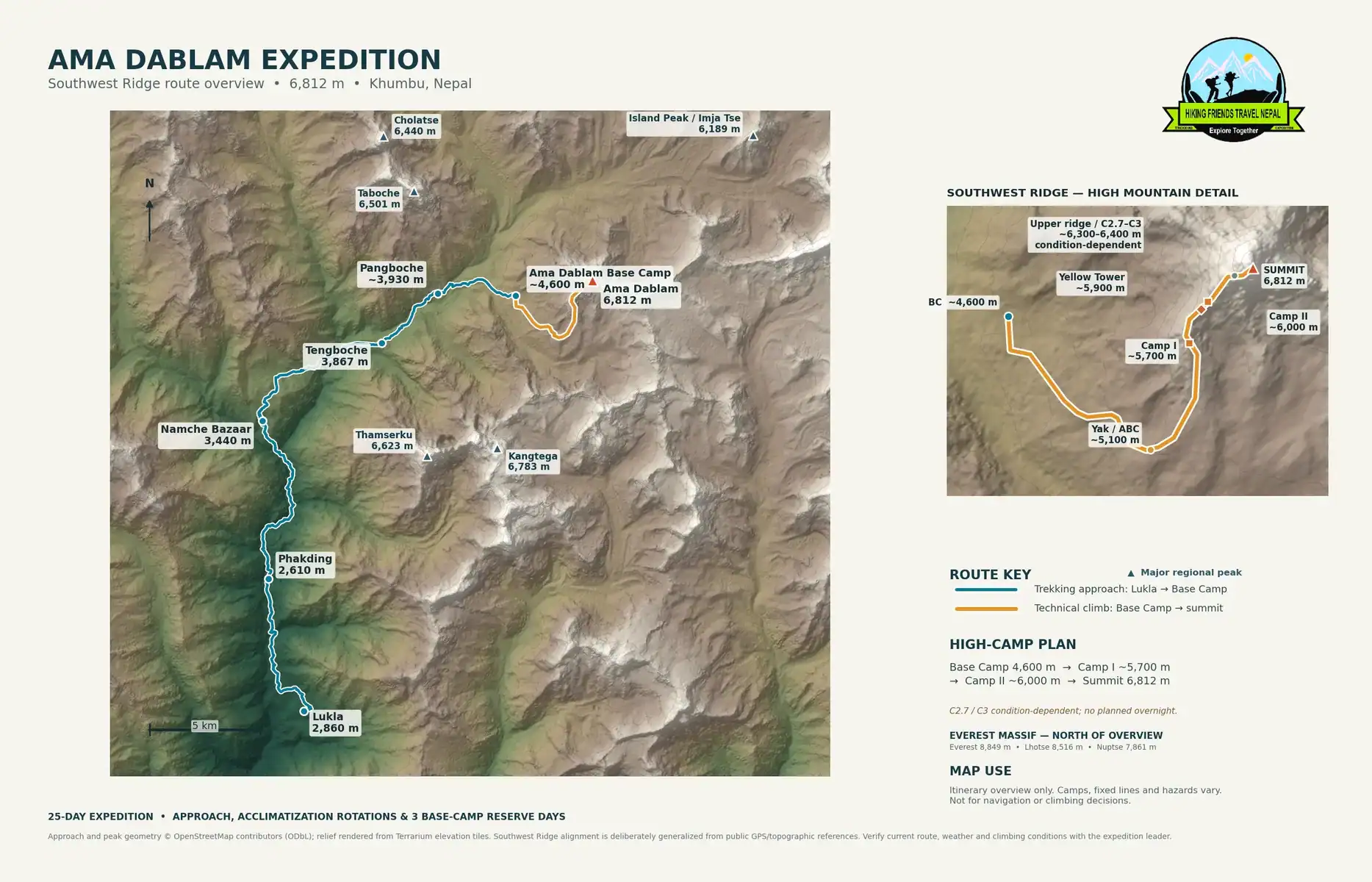
Ama Dablam (6,812m / 22,349ft) is one of Nepal’s most striking and technically serious Himalayan objectives. This 20-day Ama Dablam Expedition follows the classic Southwest Ridge, approaching through Lukla, Phakding, Namche Bazaar, Tengboche and Pangboche before establishing Base Camp at approximately 4,600m.
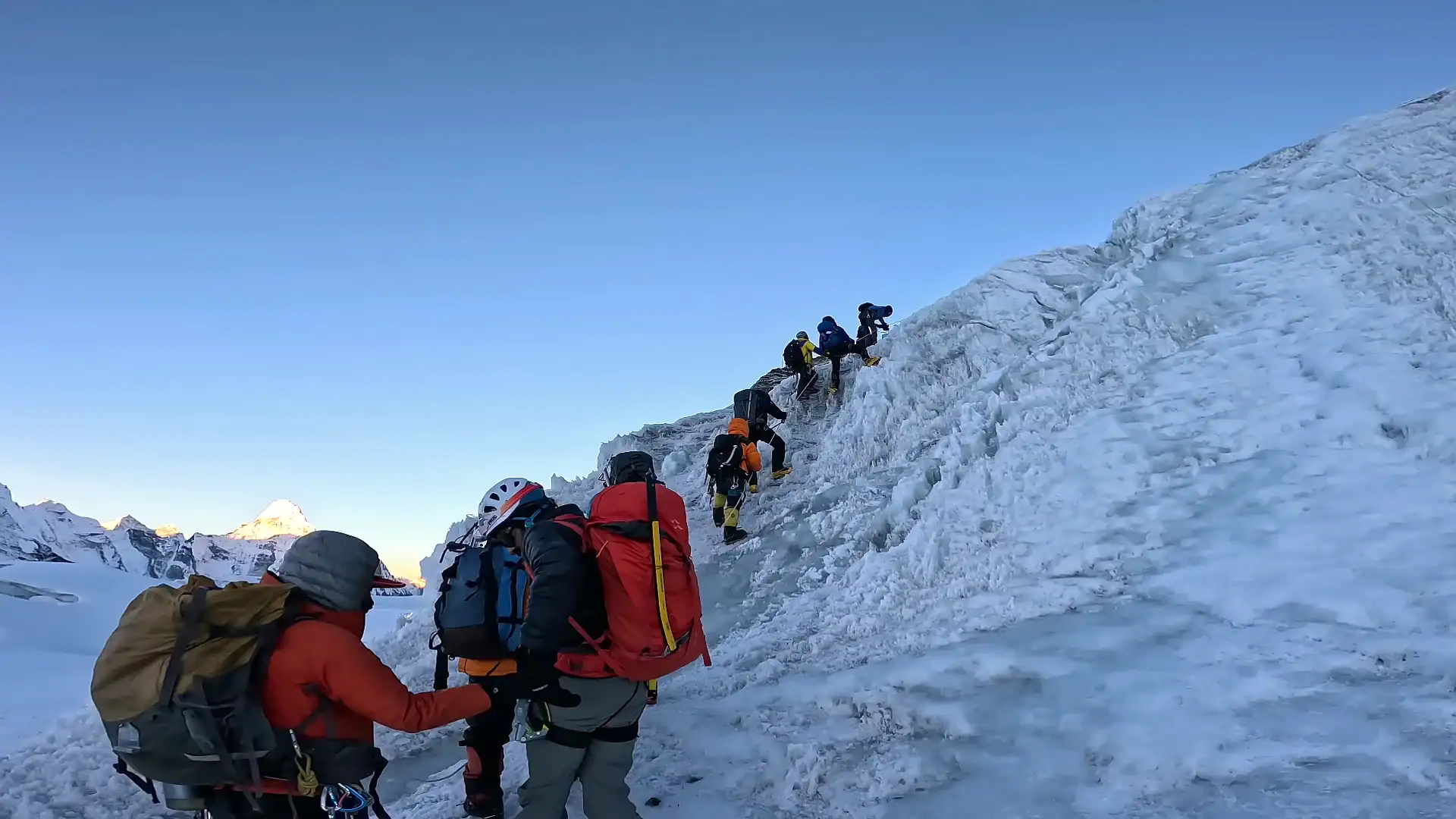
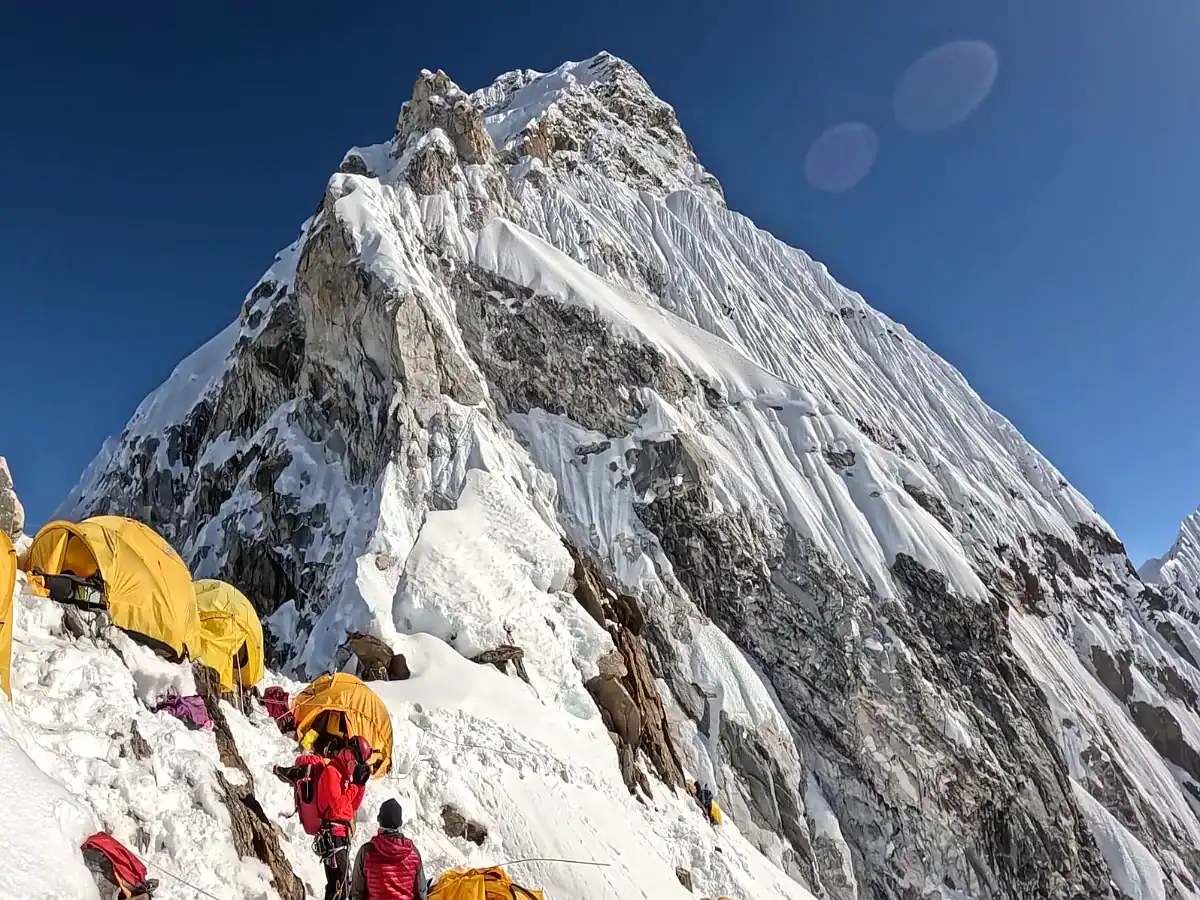
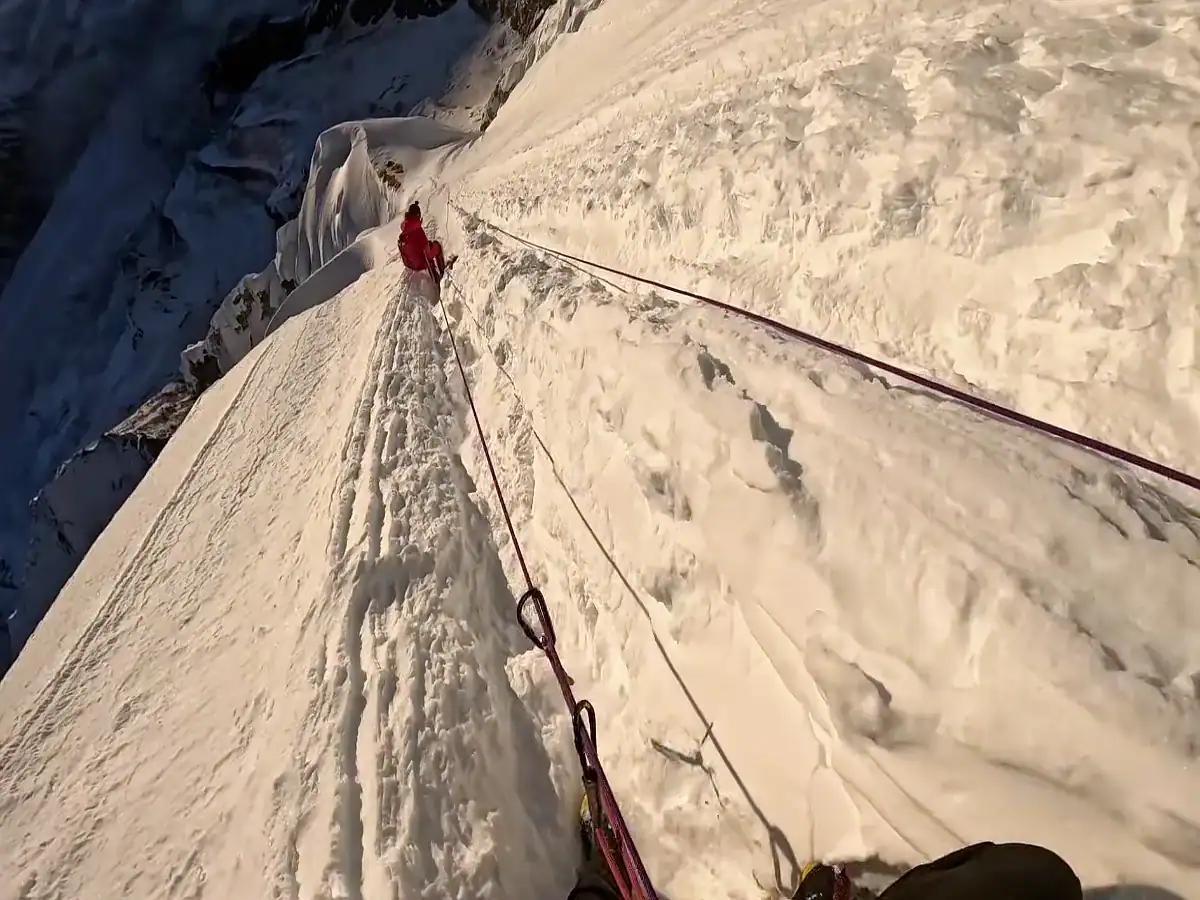
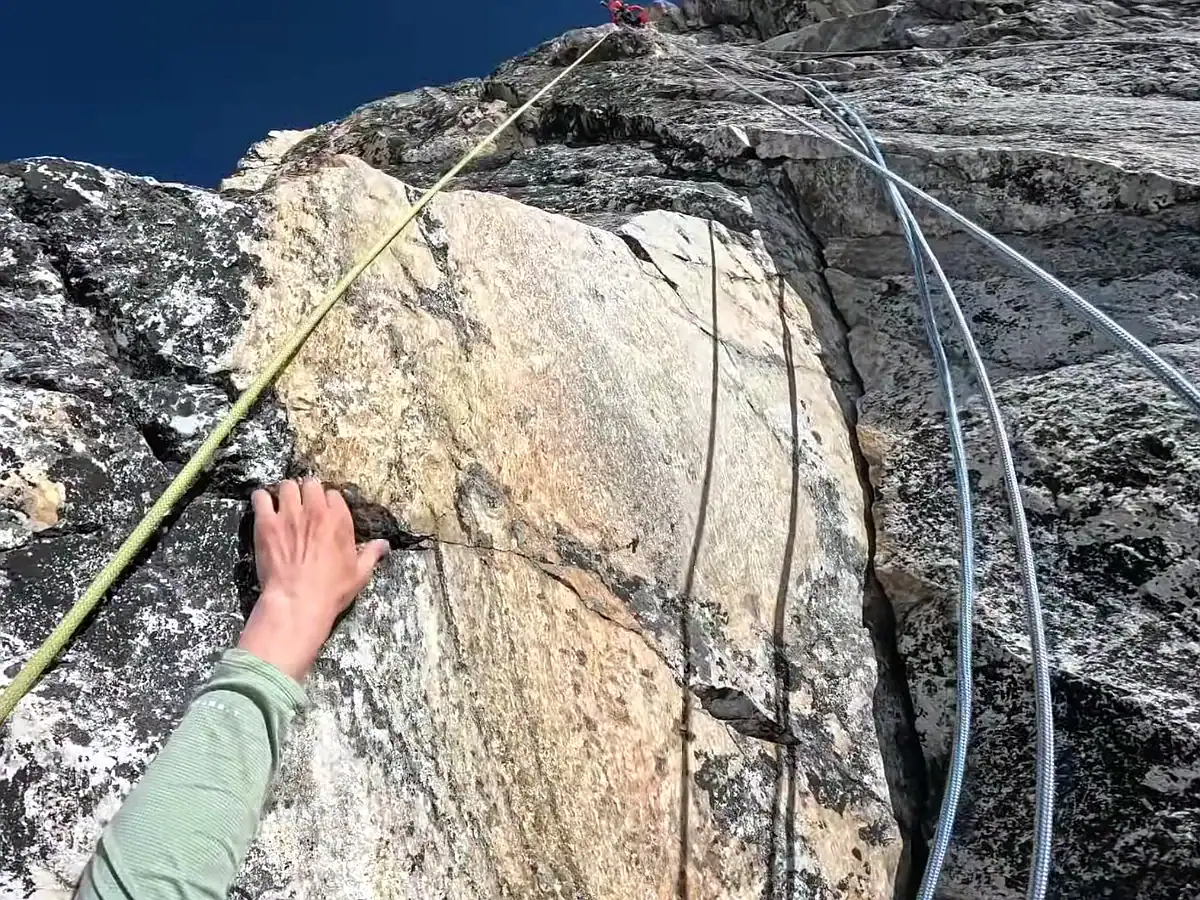
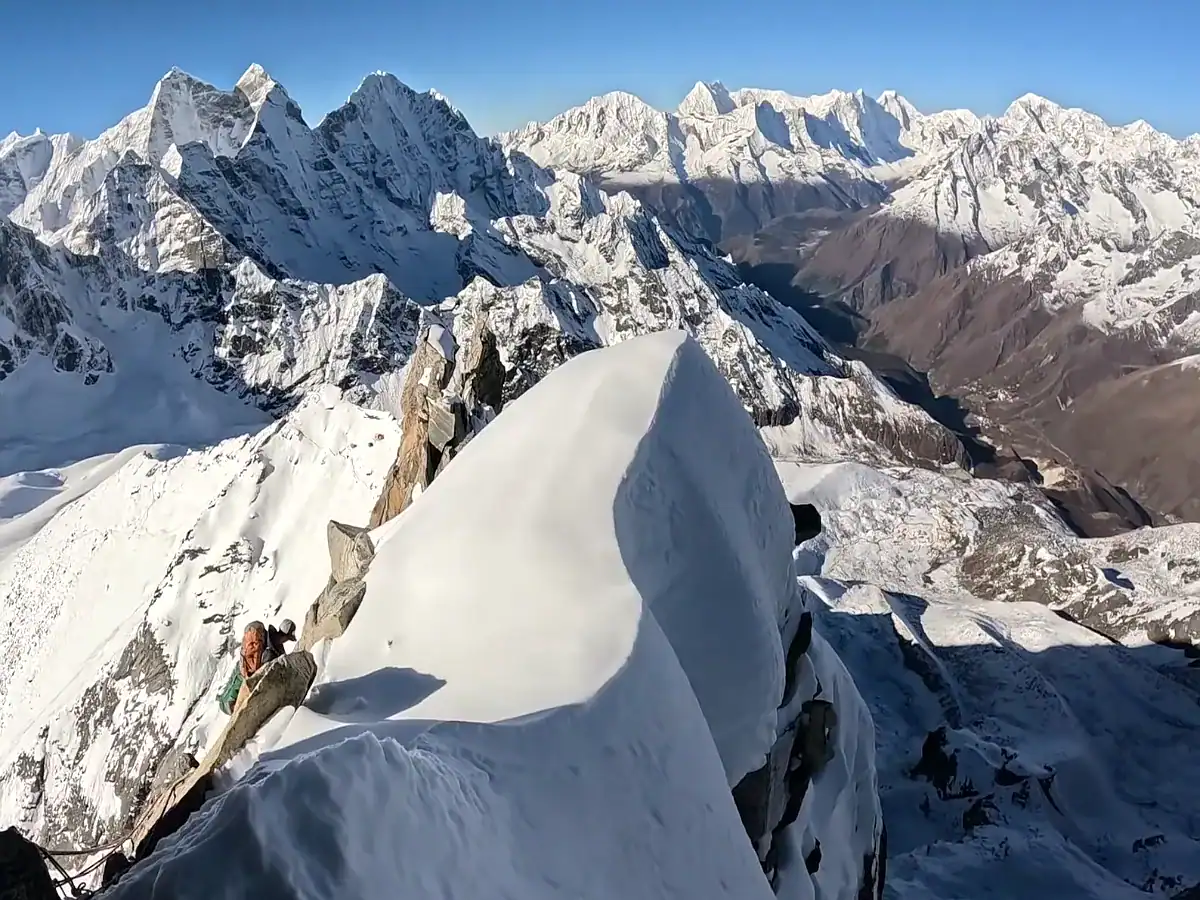
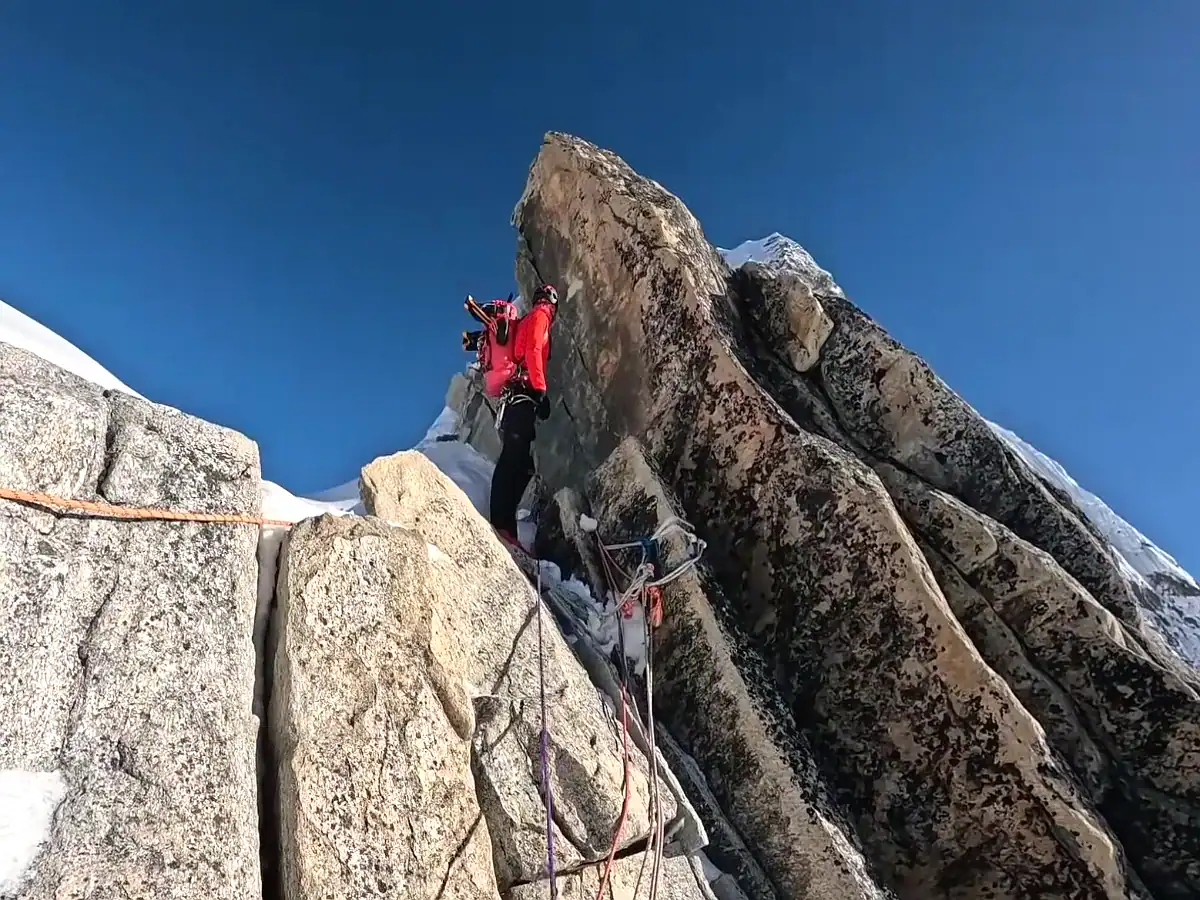
This is not a trekking-peak itinerary. Above Base Camp, the route demands efficient movement on exposed rock ridges, fixed ropes, snow and ice. The climb progresses through Camp I, the Yellow Tower and Camp II before a long summit push on the upper ridge and snow slopes. Our itinerary uses a focused acclimatization plan, two Base Camp reserve days before the summit push and one post-summit descent/reserve day for weather, route conditions, recovery and sound decision-making.
The expedition is designed for experienced climbers who have already summited at least one 6,000m mountain in Nepal, or who are completing a carefully assessed Island Peak + Ama Dablam combination. Technical climbing skill is essential: reaching 6,000m once is not, by itself, a substitute for fixed-rope, rappelling, crampon and exposed-ridge competence.
Important personal-carry policy: There is no porter support above Ama Dablam Base Camp. From Base Camp upward, every climber carries their own food, water, personal climbing equipment, clothing and allocated personal high-camp supplies. Pack discipline and self-sufficiency are part of the expedition standard.
Climbing-guide ratio & summit bonus: A maximum of two fit climbers are assigned to one climbing guide on the technical climbing phase above Base Camp. A mandatory US$700 summit bonus applies per climbing guide when that guide’s assigned climbing team reaches Camp II. It is triggered by Camp II—not the summit—and must be shown separately in the trip cost/exclusions before booking.
Highlights
- Climb Ama Dablam, one of Nepal’s most aesthetic and technically rewarding 6,000m peaks.
- Follow the classic Southwest Ridge via Camp I, the Yellow Tower and Camp II.
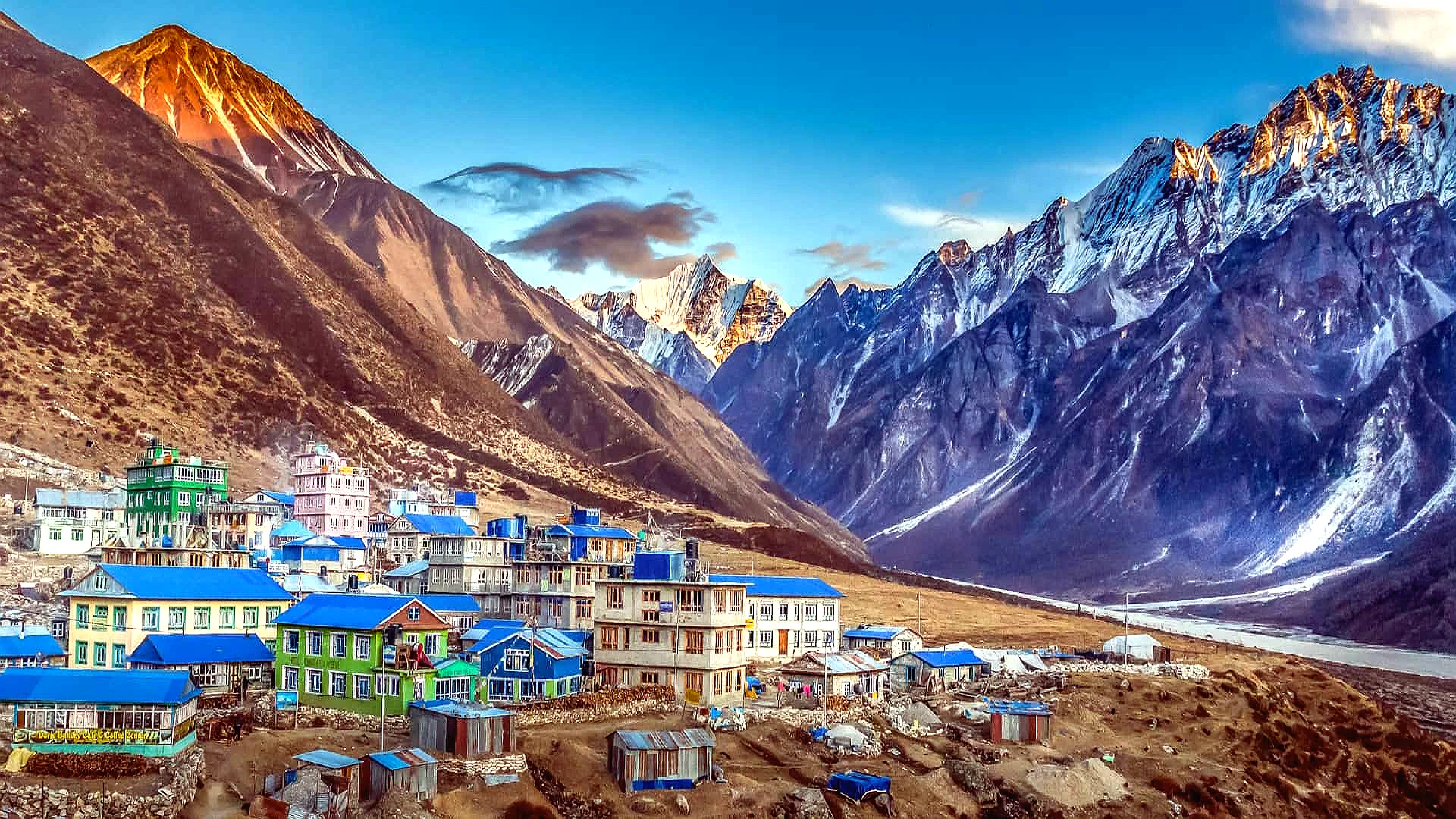
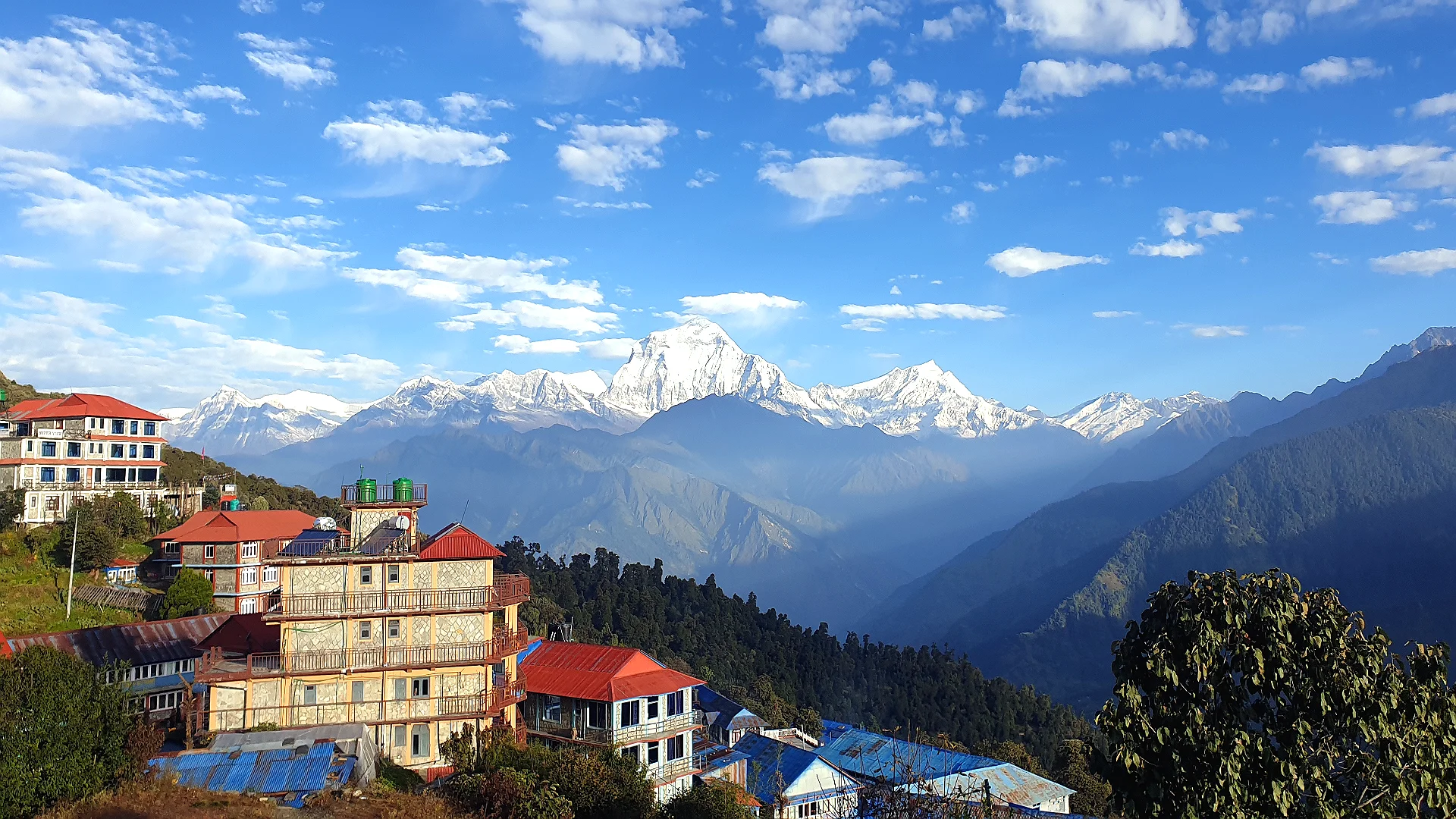
- Trek through the Khumbu Valley via Lukla, Namche Bazaar, Tengboche and Pangboche.
- Acclimatize progressively with a Namche rest day, Base Camp training and a Camp I familiarization carry.
- Practice essential fixed-rope, jumar/ascender, changeover and abseiling skills before the summit push.
- Tackle sustained exposed rock, mixed terrain and upper snow-and-ice climbing at altitude.
- Use a focused 20-day schedule with two pre-summit Base Camp reserve days and one post-summit descent/reserve day.
- Climb in a maximum ratio of two fit climbers per climbing guide on the technical phase above Base Camp.
- Carry your own personal load above Base Camp—food, water, clothing and personal climbing equipment—without high-altitude porter support.
- Experience Sherpa culture, Tengboche Monastery and Sagarmatha National Park on the approach.
- Choose a condition-led summit strategy: Camp III/Camp 2.7 is not a scheduled overnight camp and is considered only by the guide team when conditions justify it.
Trip Map
Day-by-Day Itinerary
Today is for expedition paperwork, final equipment inspection and a detailed safety briefing. Your climbing team reviews the itinerary, acclimatization plan, personal-load policy above Base Camp, route hazards, communication procedures and turnaround principles. We inspect boots, crampons, harness, helmet, ascender/jumar, descender, carabiners, ice axe, headlamp and high-altitude clothing.
Take the weather-dependent mountain flight to Lukla, the gateway to the Everest region. Meet the trekking support team and begin with a gradual descent through Sherpa settlements and forest to Phakding beside the Dudh Koshi River.
Flight: typically about 35 minutes
Trek: 3–4 hours
Follow the Dudh Koshi valley across suspension bridges and through the Sagarmatha National Park entry area. The day finishes with a sustained climb to Namche Bazaar, the Khumbu’s main Sherpa trading town.
Trek: 5–7 hours
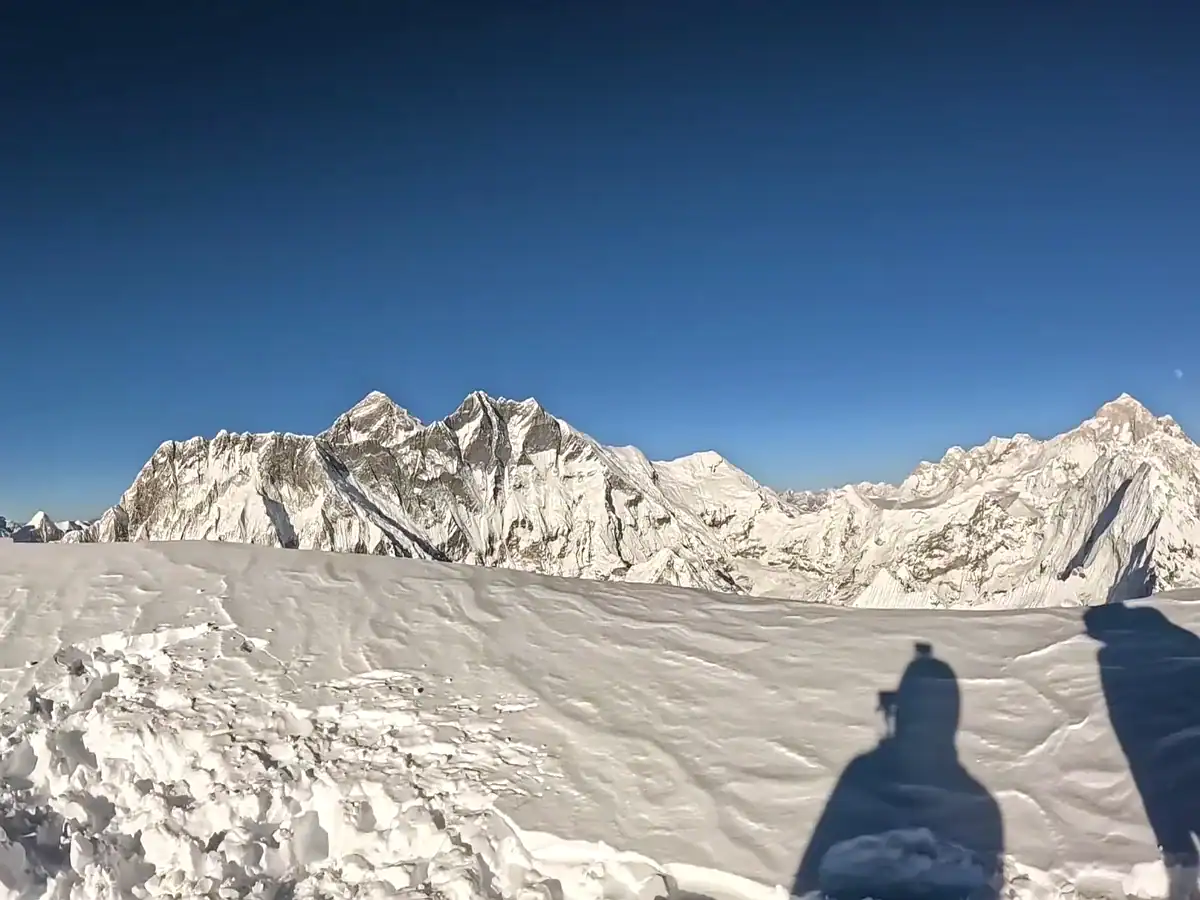
Apply the “climb high, sleep low” principle with a hike toward the Everest View area and/or Khumjung before returning to Namche. The hike helps the body adapt and provides early views of Everest, Lhotse, Ama Dablam and surrounding peaks. The guide also checks hydration, appetite and acclimatization response.
Hike: 3–5 hours, depending on group condition
Traverse the classic high trail with views of Ama Dablam before descending to Phunki Tenga and climbing through forest to Tengboche. Visit Tengboche Monastery if timing and monastery activity allow.
Trek: 5–6 hours
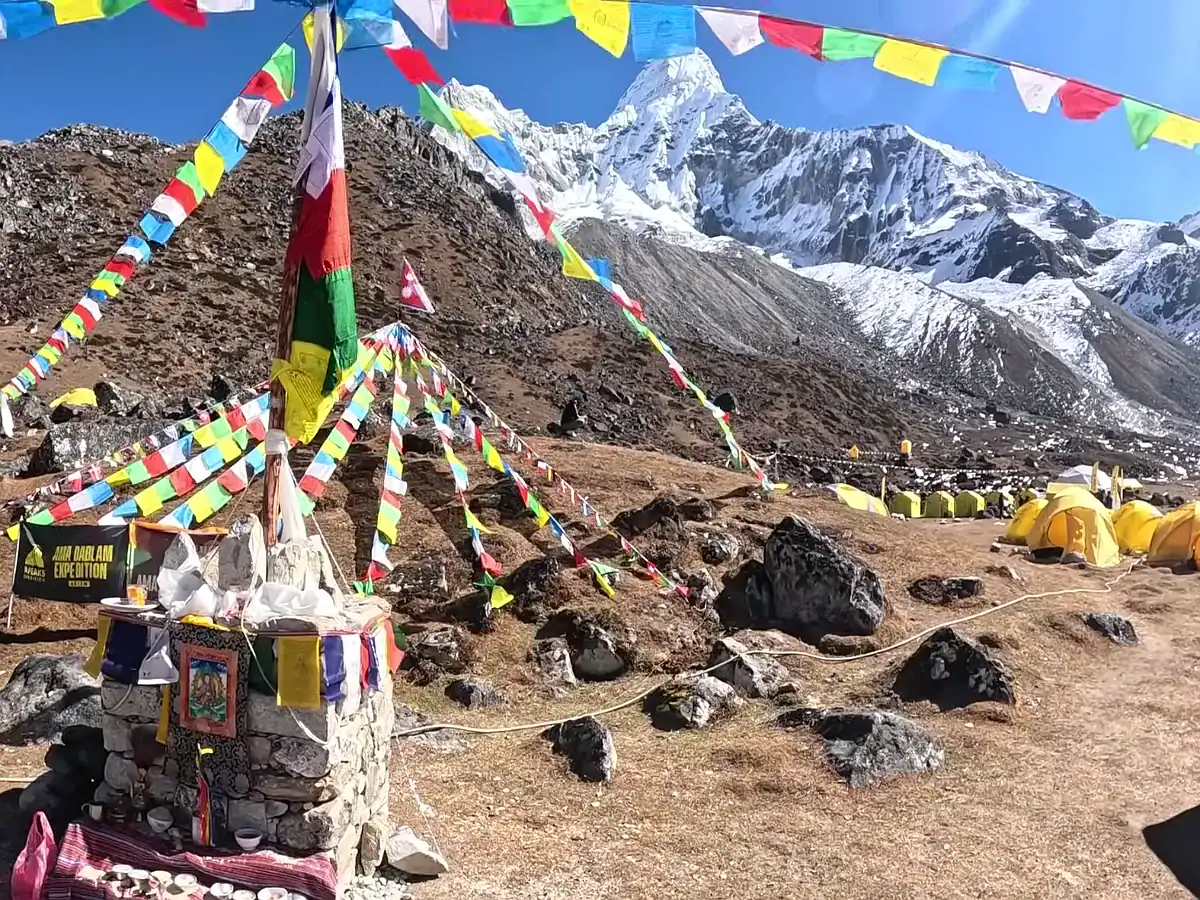
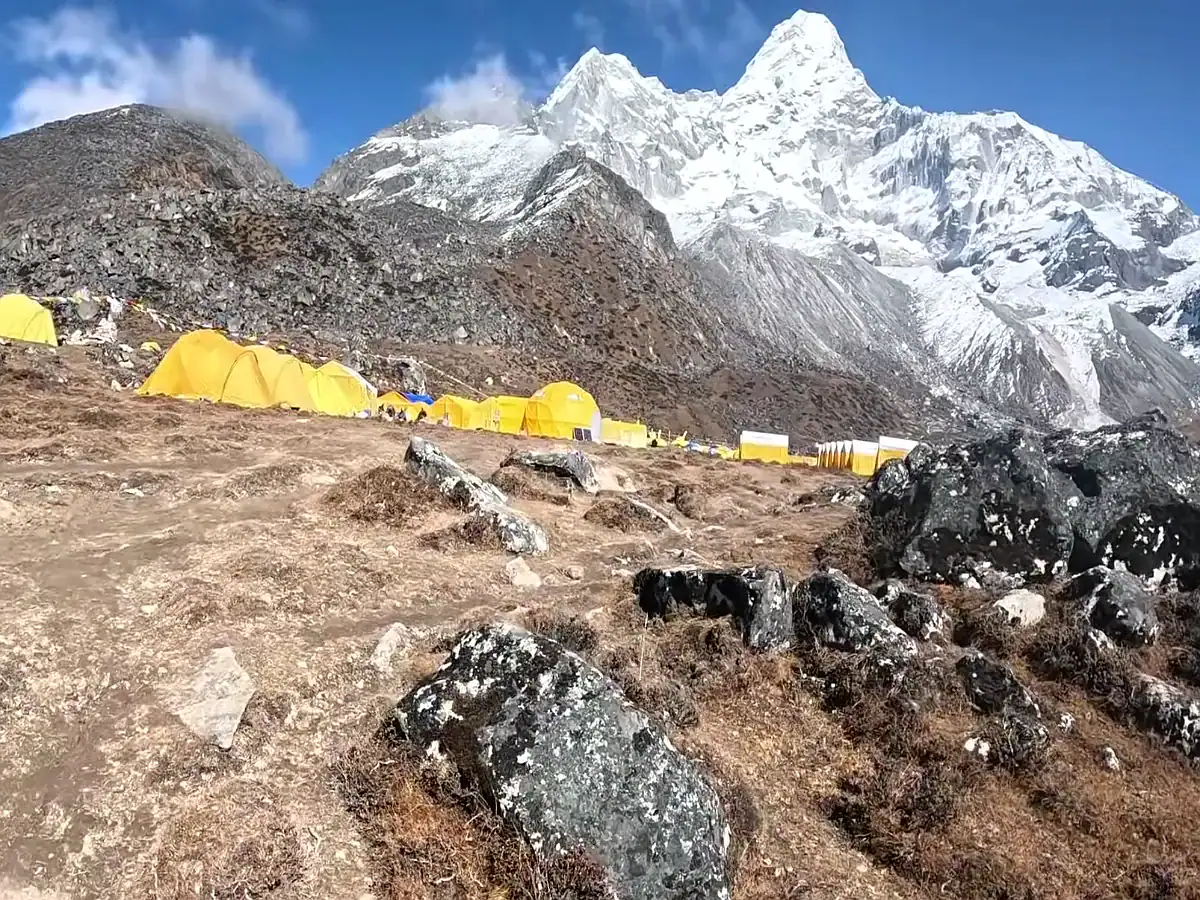
Leave the main Everest trail and continue through Pangboche toward Ama Dablam Base Camp. The campsite lies beneath the mountain and becomes the expedition headquarters for training, recovery, weather monitoring and climb preparation.
Trek: 5–7 hours
Participate in the Base Camp puja ceremony where appropriate, then begin practical technical refreshers. Training covers clipping to fixed lines, ascending with a jumar, changing ropes/anchors, abseiling, harness checks, helmet discipline, communication and packing a safe high-camp load.
Make a high acclimatization and route-familiarization carry toward Camp I, returning to sleep at Base Camp. The objective is to rehearse personal-load management, boulder/slab movement, fixed-line systems where installed and the descent before the final push. This is not an overnight high-camp move; the team returns to Base Camp to sleep lower.
Climb/descent: about 8–11 hours, highly dependent on conditions and team pace
The first of two planned Base Camp reserve days before the summit push. Use it for weather, route preparation, rope-fixing coordination, recovery from the Camp I familiarization carry, equipment checks or a short technical refresher. If conditions are already favorable, it remains a conservative rest and hydration day rather than a reason to rush the mountain.
Keep a second day at Base Camp for the final weather review, personal-load allocation, high-camp food, water plan and guide briefing. The team begins the summit push only when individual readiness and current mountain conditions support it.
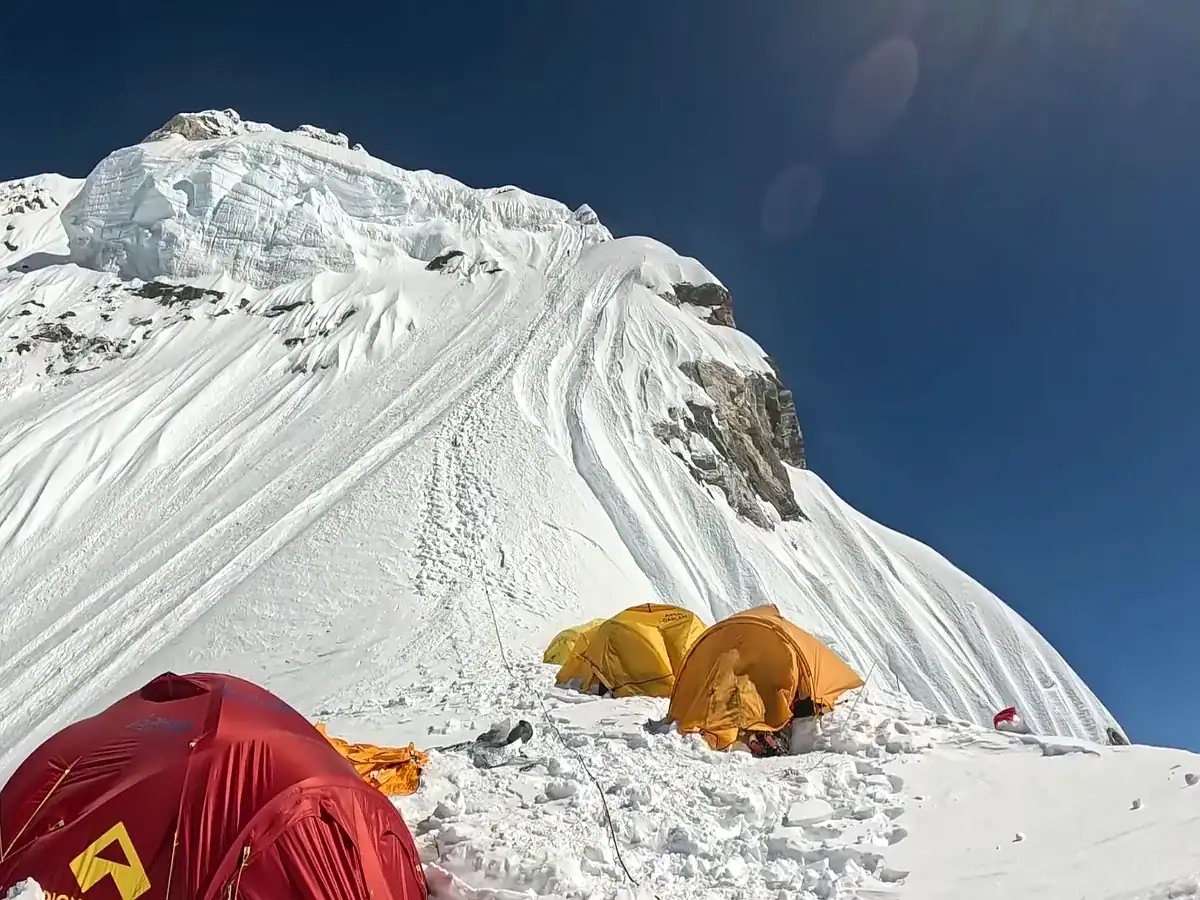
Start the summit push from Base Camp and climb to Camp I with your allocated personal food, water, technical equipment, clothing and high-camp supplies. This day is deliberately identified as the beginning of the summit push; there is no duplicate high-camp cycle later in this itinerary.
Climb: about 5–7 hours
Move on the exposed Southwest Ridge through the Yellow Tower toward Camp II. Camp II is compact and exposed, so timing, tent space and movement are managed carefully by the guide team.
Climb: about 4–7 hours, depending on conditions, traffic and team movement
Overnight: Tent at Camp II
Focus: Fixed-rope systems, exposure management and final summit preparation
Important: When an assigned guide’s climbing team reaches Camp II, the mandatory US$700 per-climbing-guide summit bonus is activated. The maximum technical climbing ratio is two fit climbers per guide.
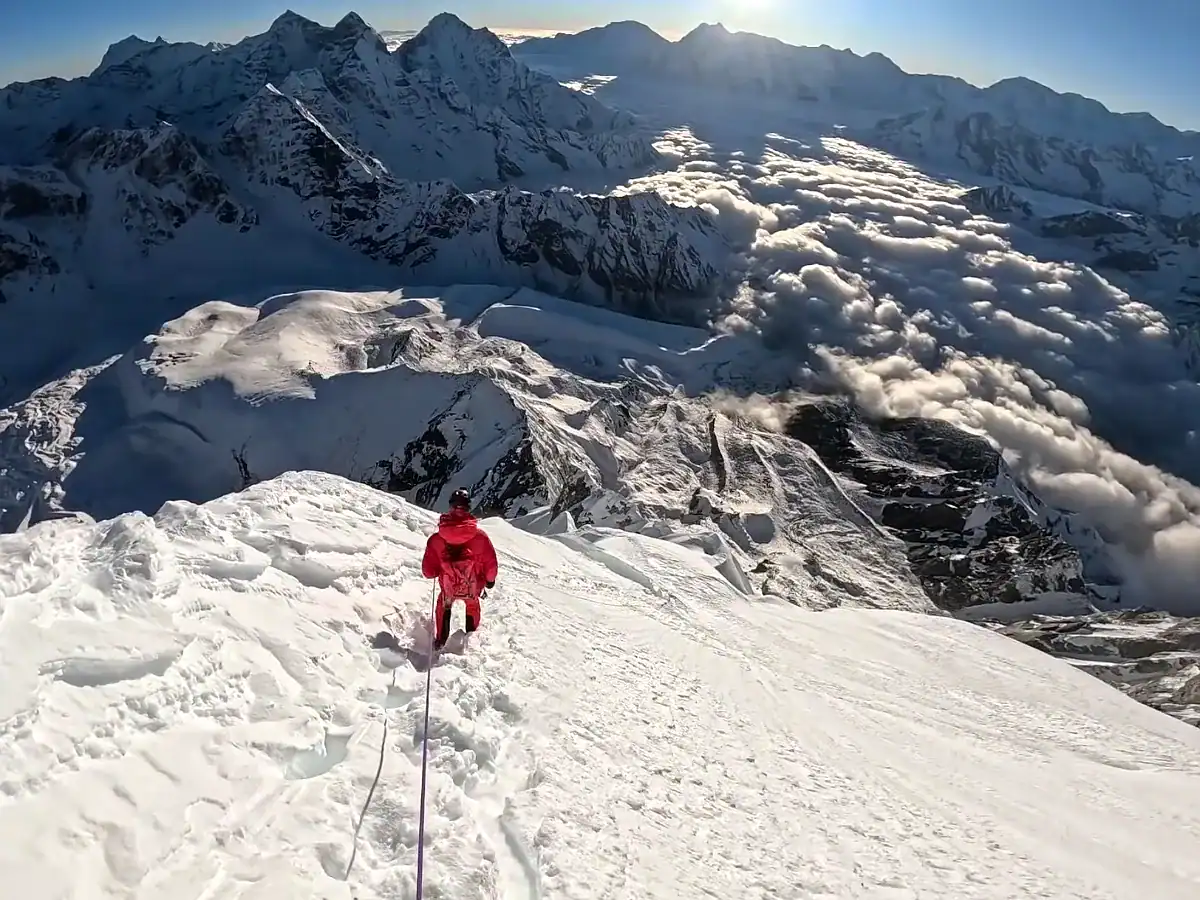
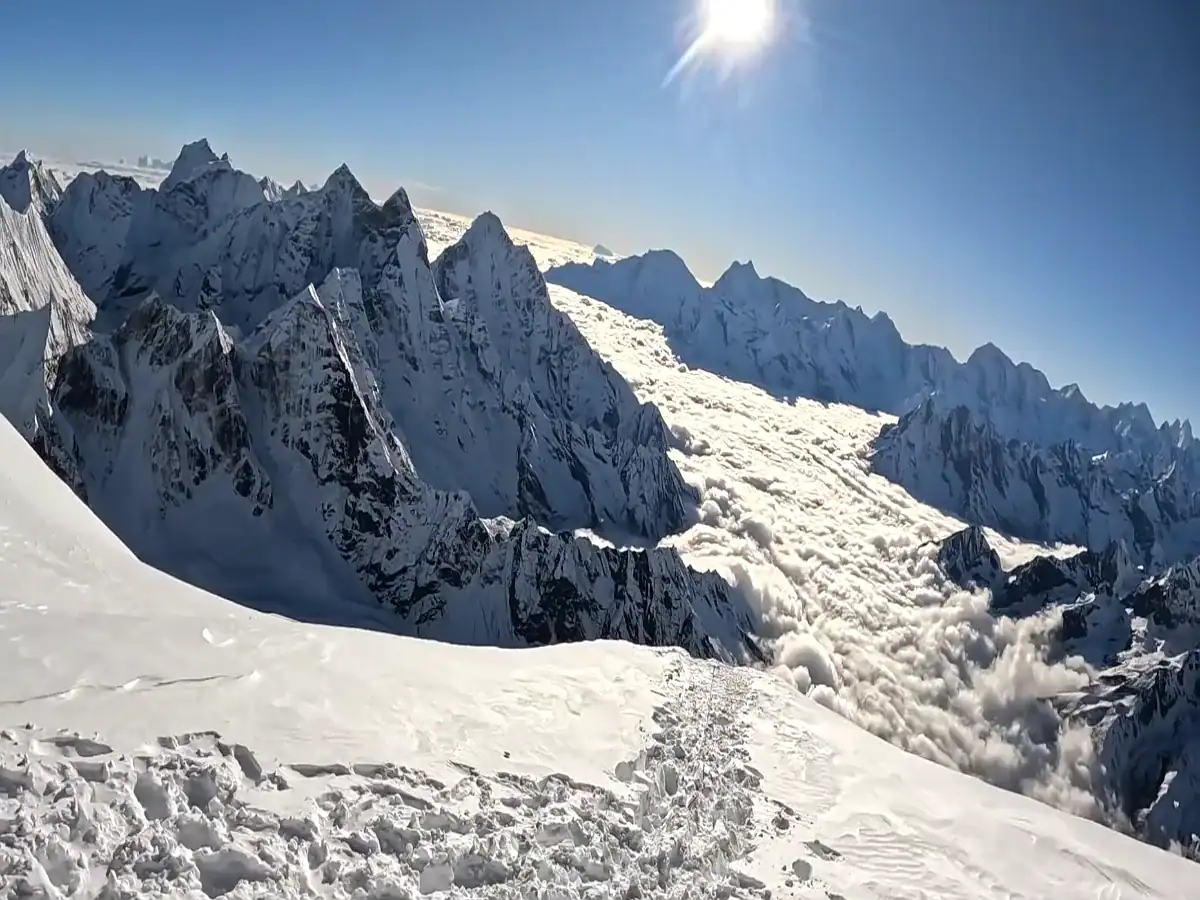
Begin well before dawn for the summit attempt. Climb the upper mixed and snow/ice terrain according to the seasonal route and guide direction. After the summit, descend carefully through the technical terrain; the intended objective is to descend as far as Camp I if weather, timing, route condition and climber strength allow. The guide may instead direct an overnight at Camp II when that is safer.
Climb: commonly 12–16+ hours round trip/descent, highly condition dependent
Overnight: Camp I when safely achievable; otherwise Camp II as directed
Focus: Summit attempt, turnaround discipline and safe descent
This is the one planned day after the summit attempt. Following a successful summit, descend from Camp I or Camp II to Base Camp, recover, rehydrate and debrief. If the team had to remain at a high camp after summit day for safety, this day protects the descent. If weather delayed the summit plan, the expedition leader may use it only as conditions safely allow.
Climb/descent: about 4–7 hours, depending on overnight position and conditions
Overnight: Tented Base Camp
Focus: Safe exit from the mountain and post-summit recovery
Leave Base Camp and descend through Pangboche toward the forest zone and Tengboche or Debuche. The exact finish depends on the team’s pace and recovery after the summit phase.
Trek: about 5–7 hours
Descend to Phunki Tenga, then climb and traverse back to Namche Bazaar. Enjoy a more comfortable lodge night after the high-camp phase.
Trek: 5–6 hours
Retrace the Dudh Koshi trail through Monjo, Jorsalle, Phakding and the lower Khumbu to Lukla. Share a final team dinner and prepare for the weather-dependent flight out.
Trek: 6–8 hours
Fly back to Kathmandu when weather and flight operations allow. Transfer to the hotel and enjoy a hot shower, rest and farewell dinner as arranged.
Flight: typically about 35 minutes; schedules are weather dependent
Transfer to Tribhuvan International Airport for your onward flight. For an early international departure, consider an additional Kathmandu night rather than relying on same-day domestic flight connections.
Focus: Departure transfer and onward travel
Cost Details
What's Included
- Airport pickup and drop-off by private vehicle in Kathmandu.
- Three nights of twin-sharing 3-star hotel accommodation in Kathmandu (Days 1, 2 and 19), with breakfast as listed in the itinerary.
- Round-trip domestic flight between Kathmandu and Lukla, subject to weather and airline operation.
- Ama Dablam climbing permit/royalty, Sagarmatha National Park entry permit, Khumbu Pasang Lhamu Rural Municipality entry fee and required expedition documentation for the listed itinerary.
- Experienced English-speaking trekking guide and support team for the Khumbu approach and return trek.
- Certified climbing guide / climbing Sherpa support for the technical climbing phase, with a maximum ratio of two fit climbers per climbing guide.
- Porter support for the trekking approach up to Ama Dablam Base Camp only. No porter service is provided above Base Camp.
- Lodge accommodation during the trek: Phakding, Namche Bazaar, Tengboche/Debuche and Lukla.
- Tented accommodation at Ama Dablam Base Camp, Camp I and Camp II, subject to seasonal camp availability and the guide’s safety plan.
- Three daily meals during the trek and Base Camp stay, plus allocated expedition food for the high camps; each member carries their own assigned food and water above Base Camp.
- Base Camp facilities and staff, including sleeping tents, dining tent, kitchen tent, toilet tent, cook/kitchen support and communal camp equipment.
- Shared expedition climbing equipment required for the group operation, such as ropes, fixed-line hardware, snow/ice anchors, group tents and cooking equipment.
- Group first-aid kit, pulse-oximeter checks and expedition communication support as available.
- A trekking/expedition duffel bag, welcome/farewell arrangements as listed, government taxes and 24/7 Kathmandu office support.
Not Included
- Tips for the guide, porter, and driver are not included (recommended: USD 8–20 per day, depending on your satisfaction with the service).
- International airfare to and from Nepal.
- Nepal entry visa and visa-related fees.
- Comprehensive personal travel, medical and rescue insurance. Your policy must specifically cover technical mountaineering to 6,812m and emergency helicopter evacuation/search and rescue.
- Personal climbing and trekking equipment, including mountaineering boots, crampons, ice axe, harness, helmet, jumar/ascender, descender, locking carabiners, down clothing, sleeping bag and personal headlamp. Rental costs are also excluded.
- Personal snacks, bottled/treated drinking water, soft drinks, alcoholic drinks and any food or drinks not included in the expedition menu.
- Meals in Kathmandu other than the meals specifically listed in the itinerary.
- Hot showers, Wi-Fi, battery charging, laundry, telephone calls and similar personal expenses in lodges.
- Extra hotel nights, extra meals, flight changes, baggage costs or other expenses caused by weather, flight cancellation, landslide, illness, political disruption or itinerary changes beyond Hiking Friends Travel Nepal’s control.
- Excess baggage, additional porter service on the trek approach and any service not listed under What’s Included.
- Personal medication, vaccinations, evacuation charges not recoverable from your insurance, tips/gratuities and personal shopping expenses.
- Drone, filming or special-permit fees where applicable.
- Mandatory US$700 Camp II climbing-guide summit bonus per climbing guide. This is not per individual climber. It becomes payable when the assigned guide’s climbing team reaches Camp II, whether or not the team later reaches the summit. With a maximum of two fit climbers per guide, the booking confirmation must state exactly how the one guide bonus is allocated between climbers.
Gear List
Ama Dablam is a technical, cold and exposed high-altitude climb. Every item below is a personal item unless specifically identified as shared expedition equipment. Bring gear that is proven, properly fitted and already familiar to you; rental gear is acceptable only when it has been checked and approved well before the summit push.
Final gear approval: The climbing leader checks all technical equipment in Kathmandu and again at Ama Dablam Base Camp. The guide may require additional equipment, reject unsuitable items or stop a climber from moving above Base Camp if gear is unsafe, incomplete or incompatible.
Technical Climbing Equipment — Required
- UIAA/CE-approved climbing helmet suitable for cold, high-altitude use.
- Adjustable mountaineering harness with adequate gear loops.
- Insulated high-altitude mountaineering boots suitable for a 6,812m technical climb; a double boot or an equivalently warm guide-approved boot is recommended.
- Steel mountaineering crampons with anti-balling plates, correctly fitted to your boots before arrival.
- Mountaineering ice axe, with length and type approved by the climbing guide.
- One mechanical ascender/jumar for fixed ropes.
- One guide-approved rappel/descender device and backup friction hitch/Prusik system.
- Two-arm personal safety lanyard/cow’s-tail system for clipping to fixed lines.
- At least five locking carabiners, two non-locking carabiners, two sewn slings (approximately 60cm and 120cm) and accessory cord/Prusik loops as advised by the guide.
- Climbing belay device if required by the guide’s system.
- Reliable headlamp with fresh batteries, plus a backup light or sufficient spare batteries for summit night.
High-Altitude Clothing — Required
- Two moisture-wicking base-layer sets: long-sleeve top and long johns.
- Warm fleece or synthetic mid-layer, plus a windproof softshell/active-insulation layer.
- Waterproof, breathable hard-shell jacket and hard-shell trousers.
- Expedition-grade down parka and insulated down trousers, or a guide-approved one-piece down suit.
- Warm climbing trousers suitable for layering beneath the shell.
- Lightweight liner gloves, durable climbing gloves, insulated summit gloves/mittens and a spare warm pair.
- Four to five pairs of warm mountaineering socks; liner socks are optional.
- Balaclava, warm beanie, neck gaiter/buff and sun hat/cap.
- Category 4 glacier sunglasses with side protection and sealed mountaineering goggles.
- Gaiters where not integrated into your high-altitude boots.
Sleeping, Packs & Camp Equipment — Required
- Down sleeping bag rated to approximately –25°C comfort or warmer, with a waterproof compression sack.
- Insulated sleeping pad system suitable for snow/high camp use: ideally a high-R-value inflatable mat plus a closed-cell foam backup.
- Technical climbing backpack of approximately 35–45 litres for carrying your own high-camp food, water, clothing, sleeping gear and personal climbing equipment above Base Camp.
- Pack liner and dry bags/stuff sacks to keep clothing, electronics and sleeping gear dry.
- Personal mug, bowl/plate and spoon; a lightweight insulated mug is strongly recommended.
- Small personal repair kit: tape, zip ties, needle/thread and spare crampon straps or parts where relevant.
The expedition duffel supplied for the trek approach is carried by porter support only as far as Ama Dablam Base Camp. It is not a substitute for the personal high-camp backpack you must carry yourself.
Trekking & Travel Gear — Required
- Comfortable, broken-in trekking boots for the Lukla–Base Camp approach.
- Trekking poles, preferably with snow baskets.
- Daypack for valuables and daily trail essentials, plus rain cover.
- Lightweight lodge clothing, underwear, T-shirts and a warm travel layer for Kathmandu and the trek.
- Waterproof gloves and rain protection for the approach season.
Water, Health & Personal Essentials — Required
- Two wide-mouth water bottles of about one litre each, insulated covers, and a 0.75–1 litre thermos for high camps.
- Personal water-treatment method such as tablets/drops or a filter, as approved by the expedition team.
- High-energy personal snacks, electrolyte powder and preferred recovery food. Expedition meals are allocated, but personal snacks and specialty foods remain your responsibility.
- Personal first-aid and blister-care supplies, sunscreen SPF 50+, lip balm with SPF, hand sanitizer, toilet paper/tissues and personal toiletries.
- Prescription medication in original packaging, plus any doctor-approved altitude or other personal medication. Tell the expedition leader about relevant medical needs before departure.
- Power bank, charging cables/adapters, camera/phone and protective dry pouch; bring enough spare power for the periods when charging is limited.
- Passport, Nepal visa documents, insurance certificate showing technical mountaineering and helicopter-evacuation cover, emergency contacts and copies stored separately.
Shared Expedition Equipment Supplied by the Package
The package provides the group expedition setup described in What’s Included: Base Camp and high-camp tents, dining/kitchen/toilet facilities, communal cooking equipment, shared ropes and fixed-line hardware, snow/ice anchors, group first-aid resources and expedition communication support as available. These do not replace a client’s personal helmet, harness, boots, crampons, ice axe, fixed-rope hardware, clothing, sleeping system or personal high-camp backpack.
Gear Check & Personal-Load Rule
Do not arrive expecting a porter to move your individual equipment above Base Camp. From Base Camp onward, you personally carry your assigned food, water, technical gear, clothing, sleeping equipment and other high-camp supplies. Practise packing and moving efficiently with this load before the expedition. Final gear, load and safety decisions remain with the climbing leader.
Frequently Asked Questions
Ama Dablam is an advanced technical Himalayan expedition. The Southwest Ridge requires strong fitness, acclimatization, fixed-rope competence, exposed rock movement, crampon technique, rappelling and careful decision-making after Camp I. It is not suitable as a first high-altitude or first technical climb.
Yes. This itinerary is intended for climbers with at least one previous 6,000m Nepal summit or comparable high-altitude experience with technical systems. A pre-approved Island Peak + Ama Dablam combination may be suitable for some climbers, but a technical assessment is still required.
Ama Dablam’s Southwest Ridge is generally more technically demanding than Everest’s normal South Col route because it has sustained exposed rock, fixed-rope transitions, rappels, mixed terrain and steep snow/ice. Everest remains a much higher and different overall expedition; this comparison refers only to technical climbing movement.
There is no porter above Base Camp. You carry your own food, water, personal climbing gear, clothing, sleeping equipment and allocated personal high-camp supplies. Pack discipline and the ability to carry this load safely are mandatory.
The US$700 summit bonus is per climbing guide, not per individual climber. It becomes payable once that guide’s assigned climbing team reaches Camp II. Each guide leads a maximum of two fit climbers on the technical climbing phase. It is not dependent on reaching the summit, so it remains due if a later summit attempt is stopped by weather, health or conditions.
A maximum of two fit climbers are assigned to one climbing guide above Base Camp on the technical climbing phase. The guide team may use a lower ratio when a climber’s experience, fitness, movement efficiency or current mountain conditions require it.
No Camp III/Camp 2.7 overnight is scheduled. The standard plan uses Camp I and Camp II. The climbing leadership may consider an upper-camp option only when current conditions and safety justify it.
A Camp II summit attempt and descent is a long, condition-dependent day, commonly 12–16 hours or more. The intended descent is to Camp I if safe and achievable; the guide can instead direct a return to Camp II when conditions require it.
Spring (April–May) and autumn (October–November) are the main seasons. The final schedule must remain flexible for weather, mountain conditions and flight operations.
Yes, Hiking Friends Travel Nepal can design an Island Peak + Ama Dablam progression itinerary for suitably fit climbers. It should be treated as a longer custom program, with a gear review and technical assessment before the Ama Dablam phase. Island Peak does not automatically qualify a climber for Ama Dablam.
This itinerary is for climbers who are fit, acclimatized and already competent in technical mountain terrain. Applicants should meet one of the following pathways:
Previous Himalayan experience: At least one successful 6,000m summit in Nepal or a comparable high-altitude objective, with real experience using crampons, harness, fixed ropes and an ice axe; or
Combination progression: A pre-approved Island Peak + Ama Dablam combination designed to build altitude exposure and assess technique before the Ama Dablam phase.
All applicants should be able to demonstrate the following before the final summit push:
Use a harness, locking carabiners, safety lanyards and a jumar/ascender correctly.
Move efficiently on fixed ropes and safely change from one rope or anchor to another.
Rappel/abseil in exposed terrain and manage a backup system as instructed by the guide.
Walk in crampons and use an ice axe on hard snow and steep terrain.
Stay composed on exposed ridges and make safe decisions when tired and cold.
Carry a personal high-altitude load above Base Camp.
Descend technical terrain carefully after a long summit day.
Island Peak is a useful progression climb, but it is not an automatic Ama Dablam qualification. A guide-led technical assessment and climbing CV review remain essential.